Skip to content
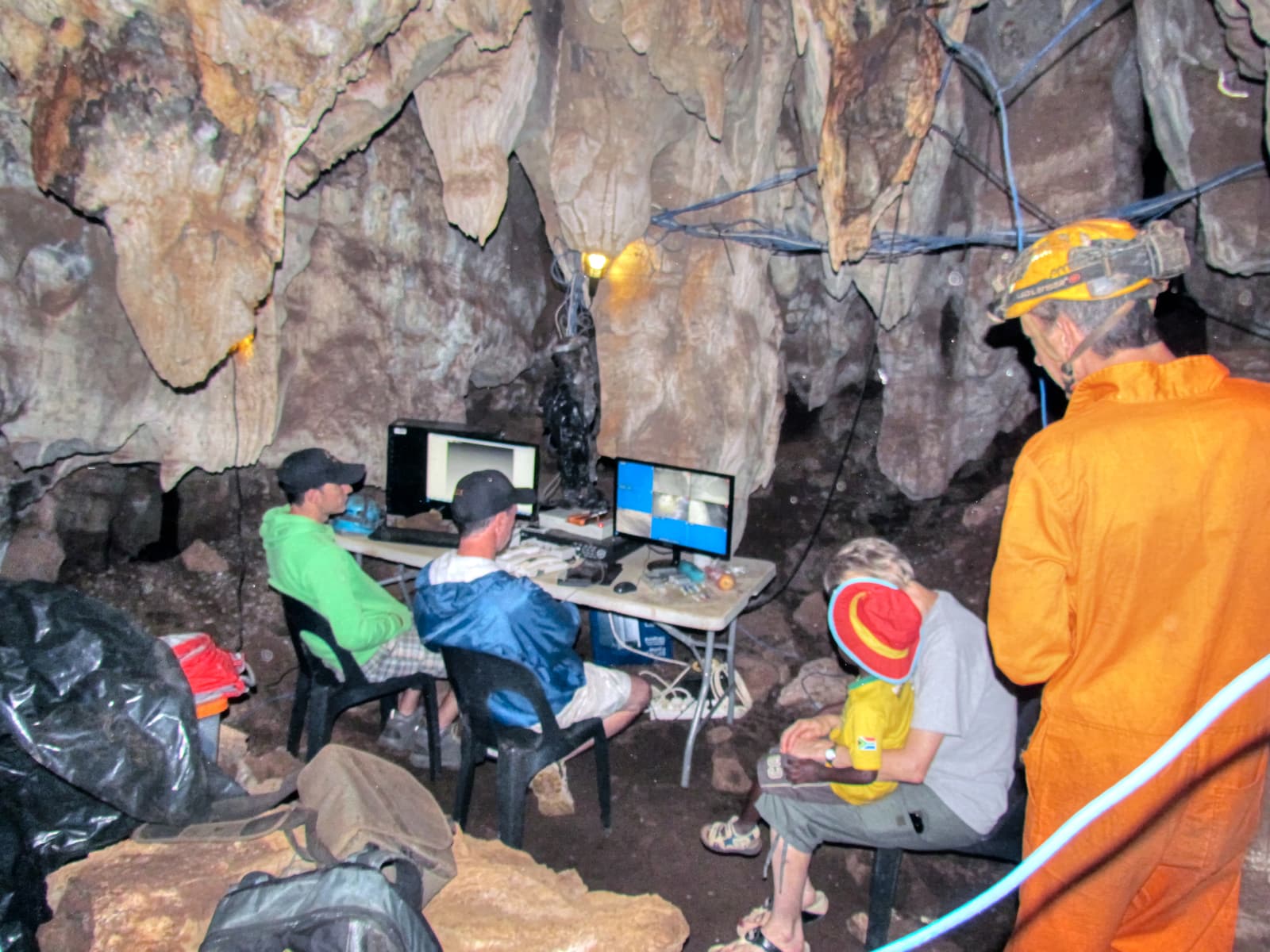
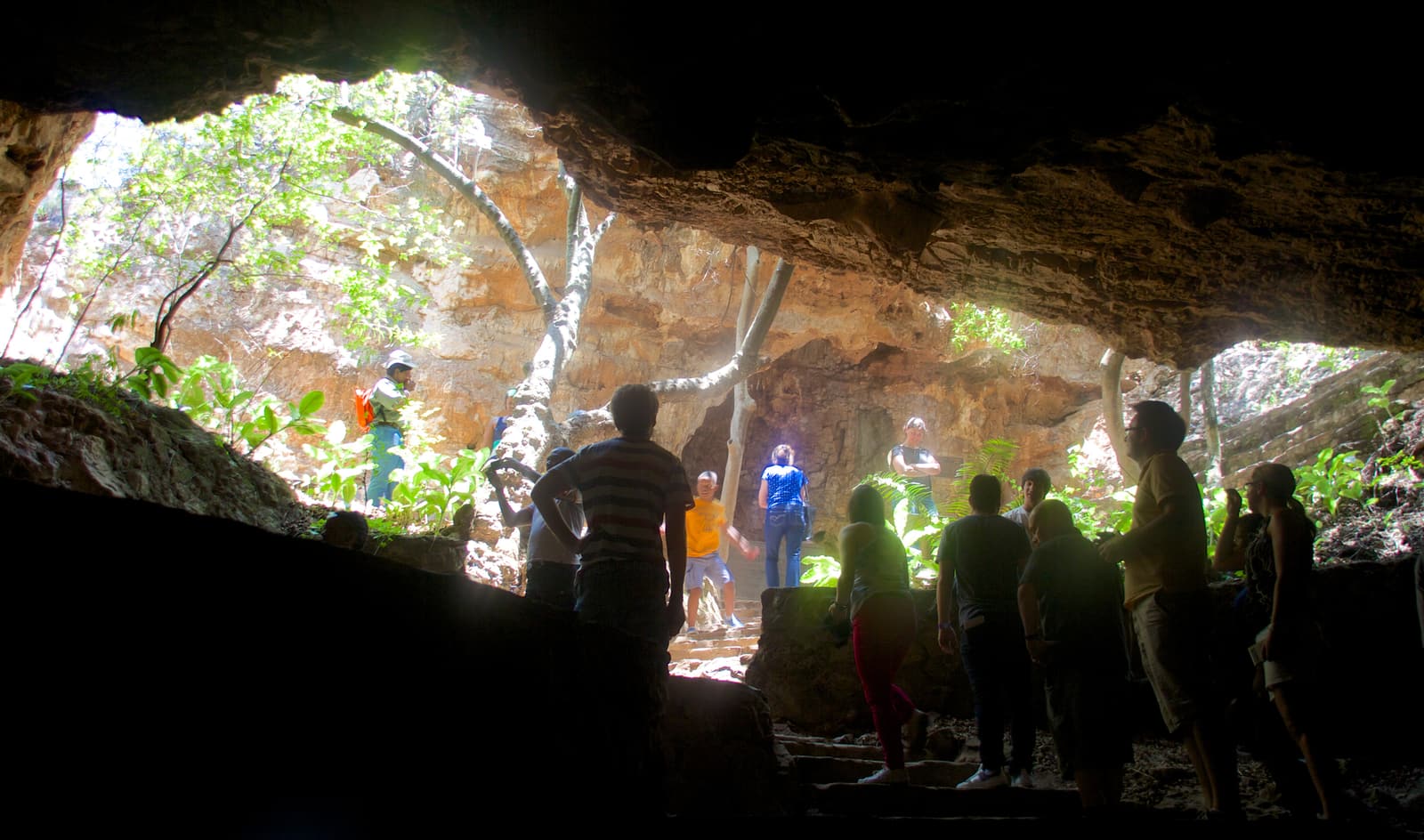
Visitors inside the Sterkfontein Caves

Places to See in and around the Cradle

Ten places that turn a morning of fossils into a full Gauteng itinerary.

The Cradle of Humankind is not a single attraction but a landscape: about 47,000 hectares of hills, farms and private reserves with fossil caves hidden beneath them. Two sites are set up for visitors — the Sterkfontein Caves and the Maropeng Visitor Centre. Around them are wildlife parks, a cultural village, an ancient mountain range and a busy weekend dam.

The pages below explain what each place is, how to visit and what to combine it with.
Fossil sites & caves

Visitors inside the Sterkfontein Caves Fossil sites & caves

Sterkfontein Caves

Home of Mrs Ples and Little Foot

The most productive early-hominin site on Earth. Dolomite caves near Krugersdorp where Mrs Ples was blasted out of the rock in 1947 and where the near-complete skeleton of Little Foot lay hidden for millions of years. Guided tours take you underground; the caves reopened in 2025 after a long closure, so check current opening days.

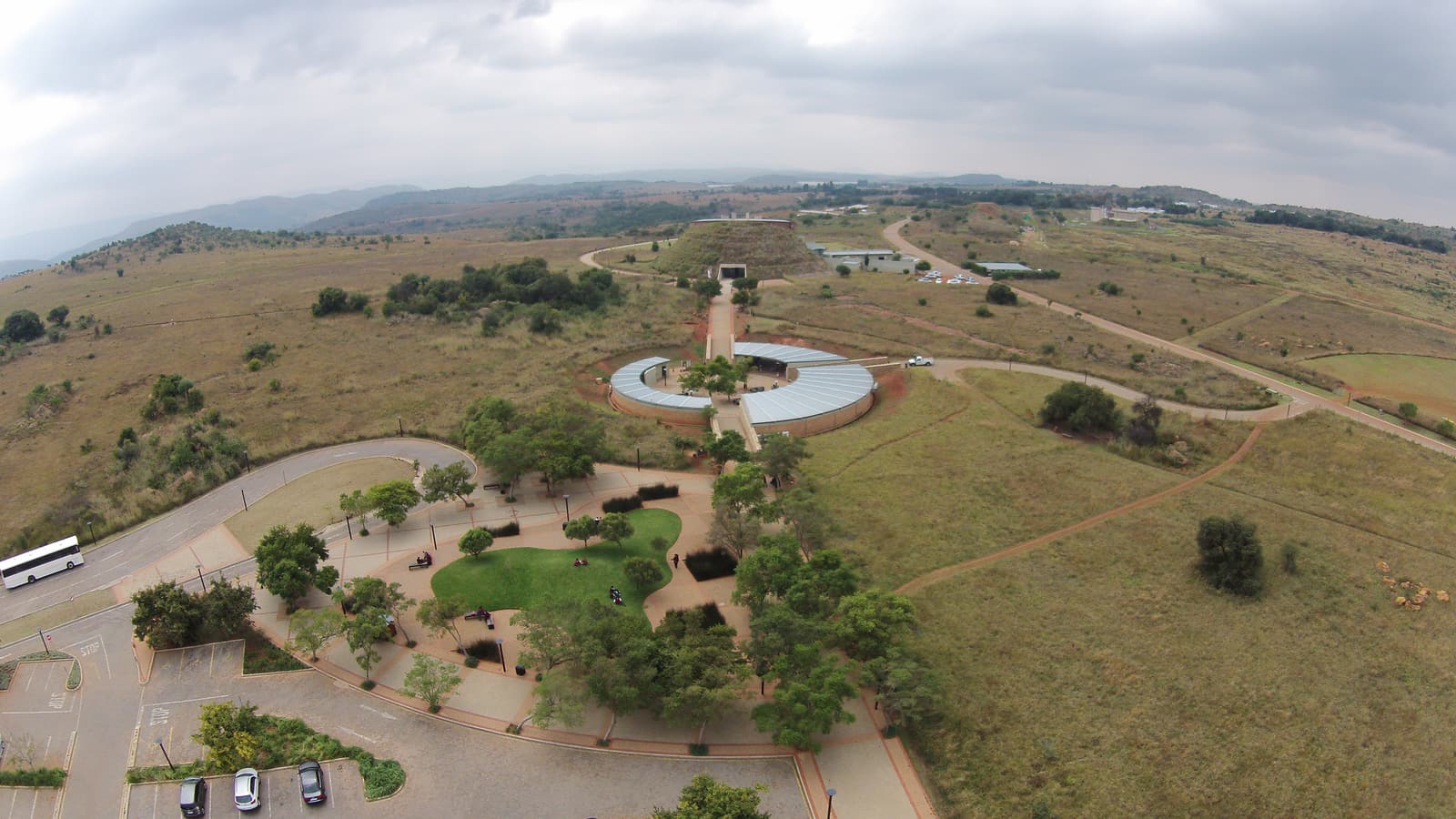
Aerial view of the Tumulus building at Maropeng Fossil sites & caves

Maropeng Visitor Centre

The official visitor centre of the Cradle

Maropeng means “returning to the place of origin” in Setswana. Its grass-covered Tumulus building holds an interactive exhibition on the origins of the Earth and of humankind, entered by an underground boat ride through the elements. The best single stop for families and for understanding the whole World Heritage Site.

Researchers at work underground during the Rising Star expedition Fossil sites & caves

Rising Star Cave & Homo naledi

The discovery that rewrote the textbooks

In 2013 two cavers squeezed into a hidden chamber of the Rising Star system and found the floor littered with bones. They belonged to Homo naledi, a previously unknown human relative, and the haul became the largest collection of hominin fossils ever found in Africa. The cave itself is a working research site, not a visitor attraction — here is how to experience the story.

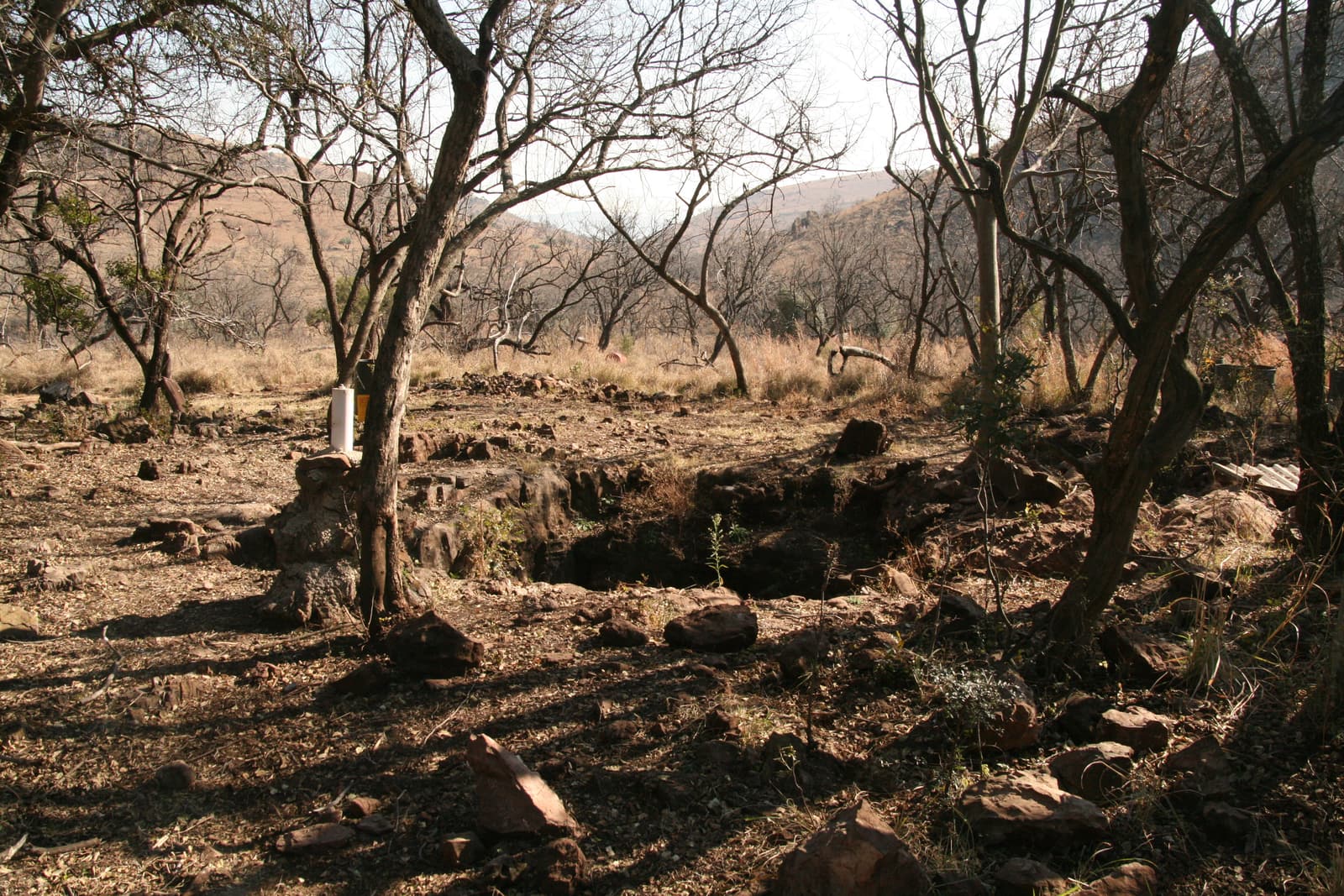
The Malapa fossil site in the Cradle of Humankind Fossil sites & caves

Swartkrans, Kromdraai & Malapa

The Cradle’s other great fossil sites

The World Heritage listing covers more than a dozen fossil sites. Swartkrans holds some of the earliest evidence of the controlled use of fire, Kromdraai gave science Paranthropus robustus, Drimolen a two-million-year-old Homo erectus, and Malapa the remarkable Australopithecus sediba. Most are on private land and open only on special tours.

Wildlife & culture

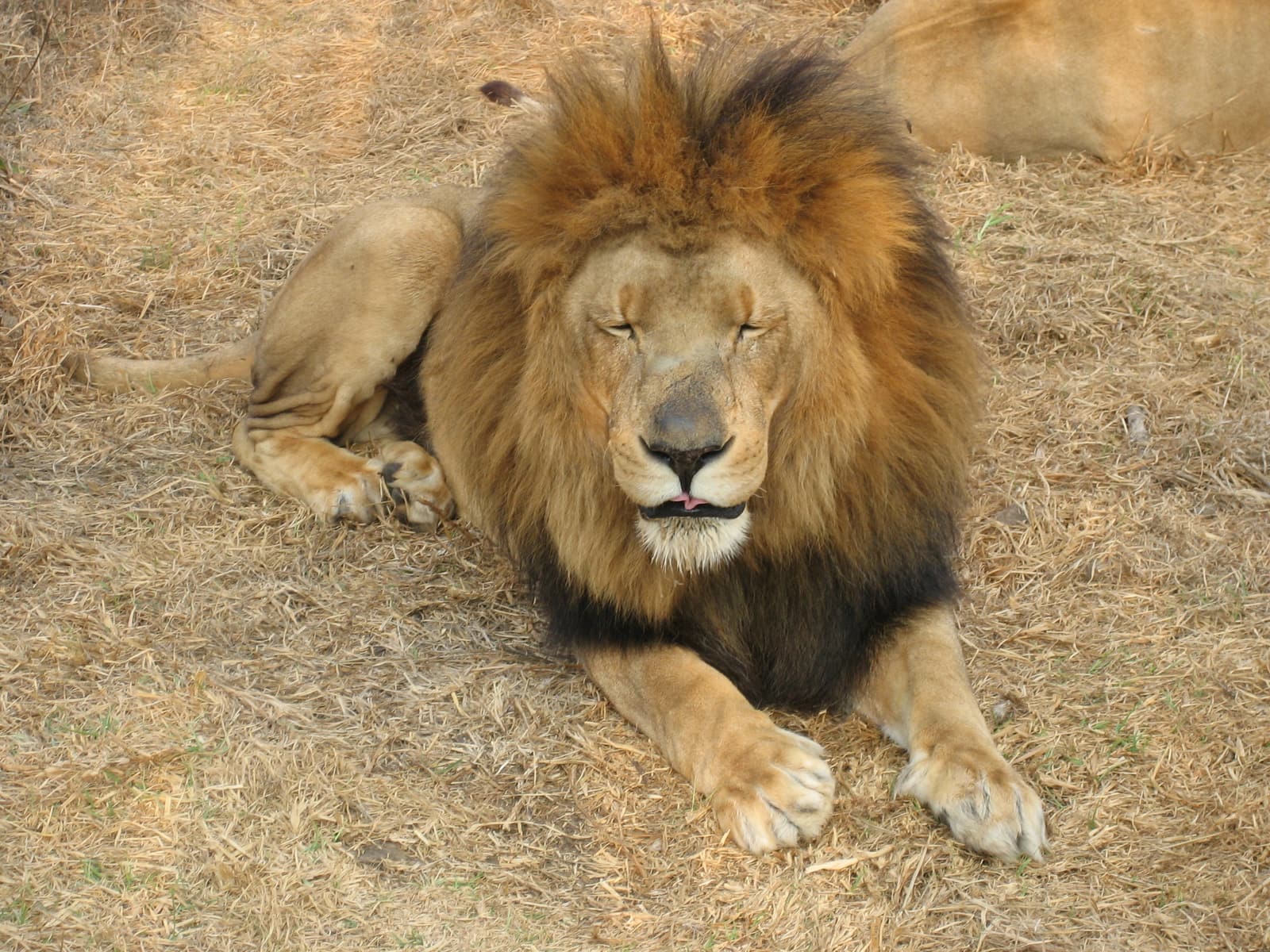
A lion in the Rhino & Lion Nature Reserve Wildlife & culture

Rhino & Lion Nature Reserve and Wonder Cave

A game reserve inside the World Heritage Site

A privately owned reserve of about 1,600 hectares at Kromdraai, in the heart of the Cradle, now trading as the Bothongo Rhino & Lion Nature Reserve. Drive yourself or join a game drive among white rhino, buffalo and antelope, visit the predator camps, then descend into Wonder Cave, an enormous dripstone chamber.

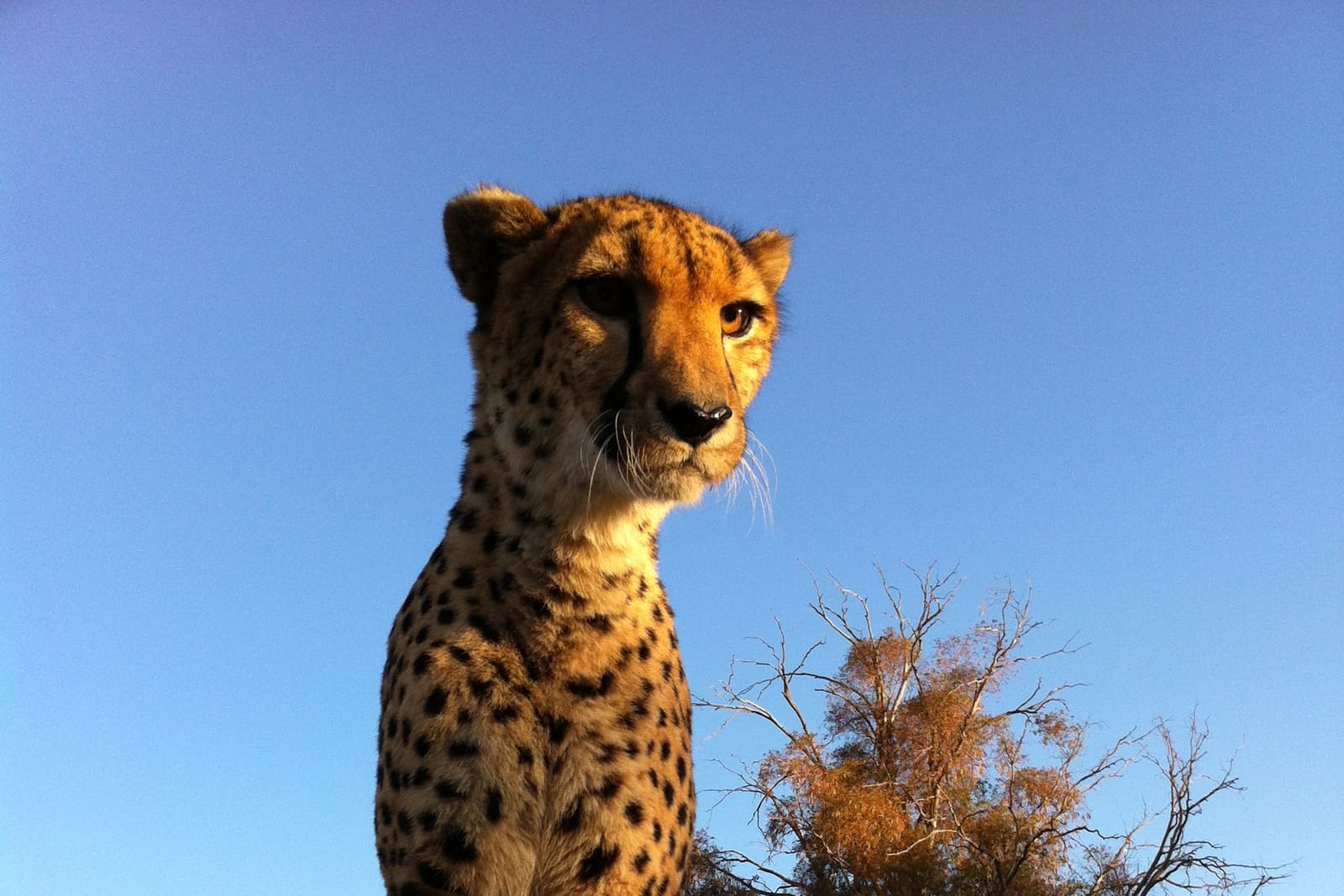
A cheetah at the Lion Park near Johannesburg Wildlife & culture

Lion & Safari Park

Big cats on the edge of the Cradle

The successor to Johannesburg’s old Lion Park moved in 2016 to a much larger property near Hartbeespoort, on the R512 at the north-eastern edge of the Cradle. Guided and self-drive routes pass lions, white lions, cheetahs, wild dogs and hyenas, with giraffe and antelope roaming a separate area.

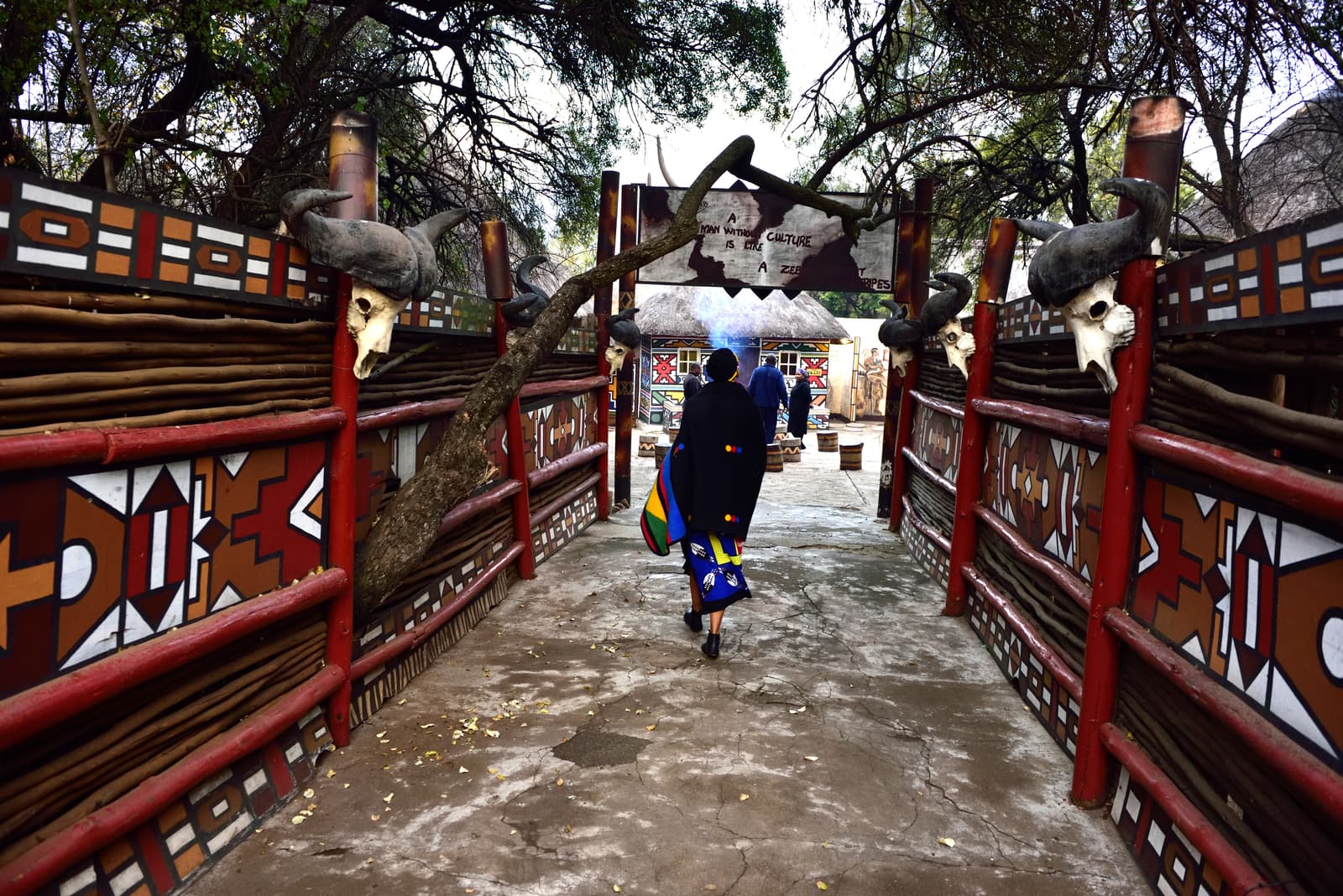
Painted Ndebele-style walls at the entrance to Lesedi Cultural Village Wildlife & culture

Lesedi Cultural Village

Five cultures, one hillside

Lesedi — “light” in Sesotho — has introduced visitors to South Africa’s living cultures since the 1990s. Guides lead you through Zulu, Xhosa, Pedi, Basotho and Ndebele homesteads at Broederstroom before an energetic show of song and dance and, on most programmes, a pan-African buffet.

Magaliesberg, Hartbeespoort & Johannesburg

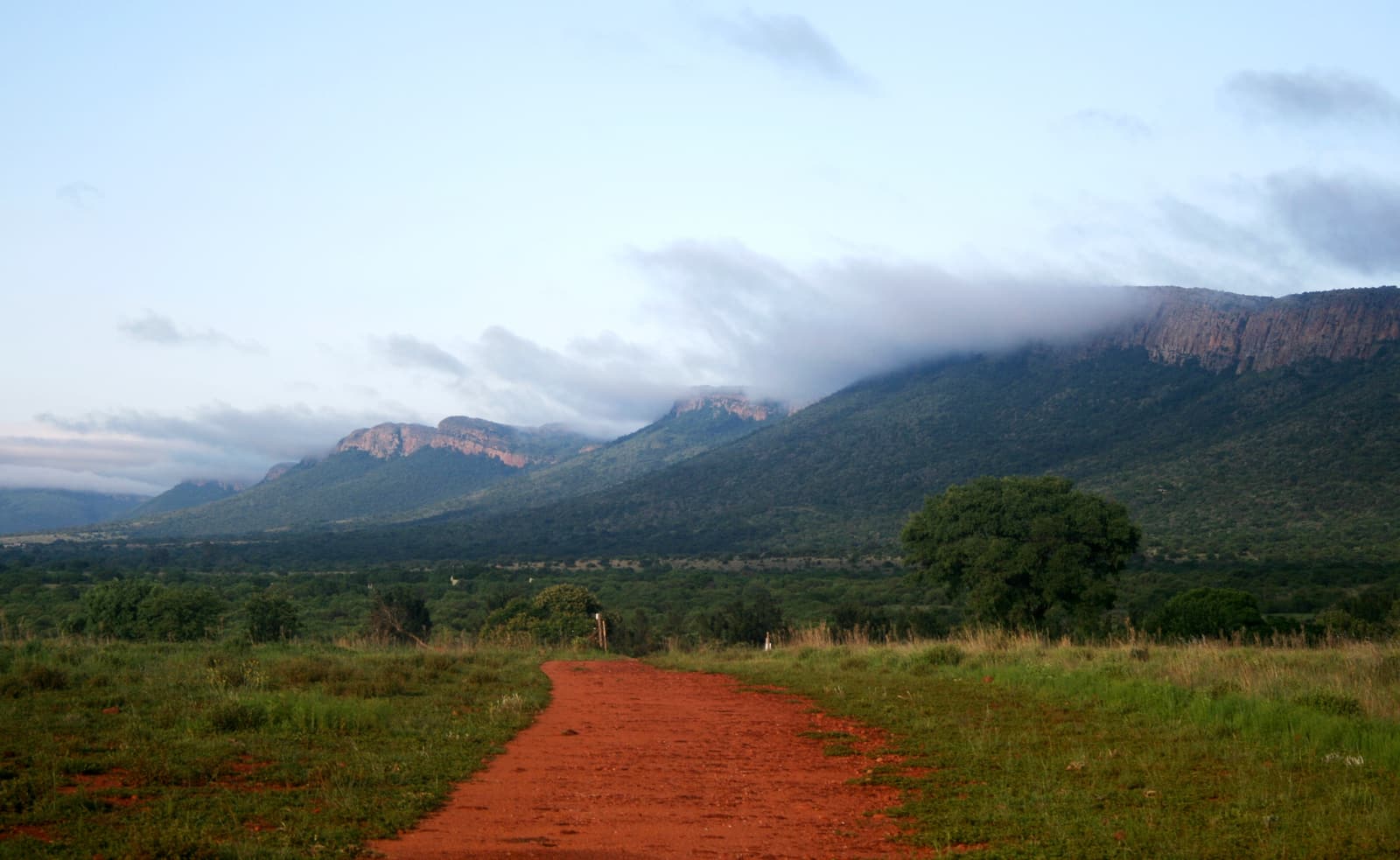
Morning cloud over the Magaliesberg mountain range Magaliesberg, Hartbeespoort & Johannesburg

Magaliesberg

One of the oldest mountain ranges on Earth

The long quartzite ridge on the Cradle’s northern horizon is far older than the Himalayas or the Alps, and since 2015 it has been a UNESCO Biosphere Reserve. Come for sunrise hot-air balloon flights over the Magalies River valley, kloof hikes, canopy zip-lines and country lodges.

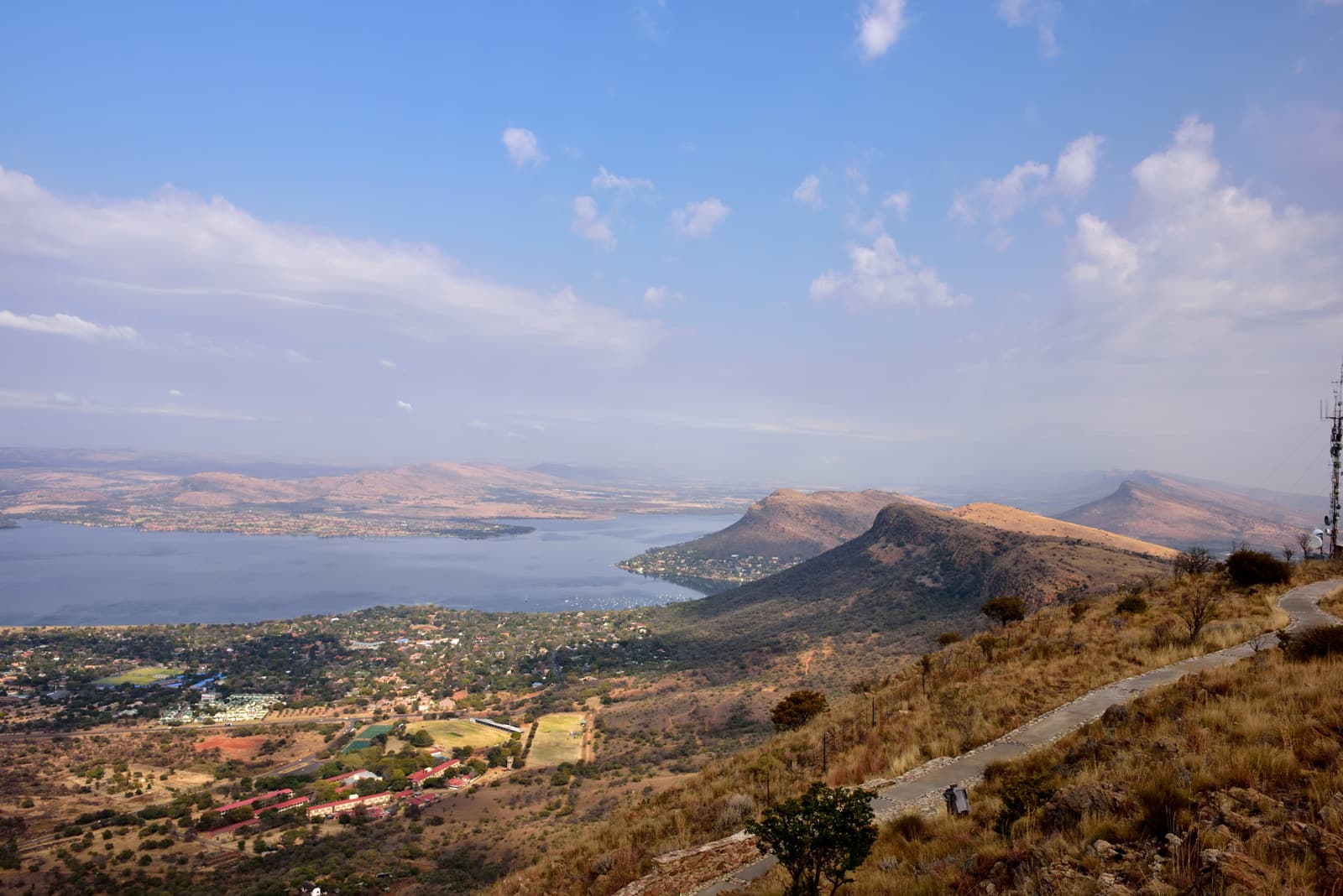
Hartbeespoort Dam seen from the Magaliesberg Magaliesberg, Hartbeespoort & Johannesburg

Hartbeespoort Dam

Cableway, cruises and weekend markets

“Harties” is Gauteng’s favourite weekend escape, a reservoir pressed against the Magaliesberg about half an hour north of Maropeng. Ride the aerial cableway to the crest of the range, cruise the dam, browse craft markets and visit the elephant and monkey sanctuaries.

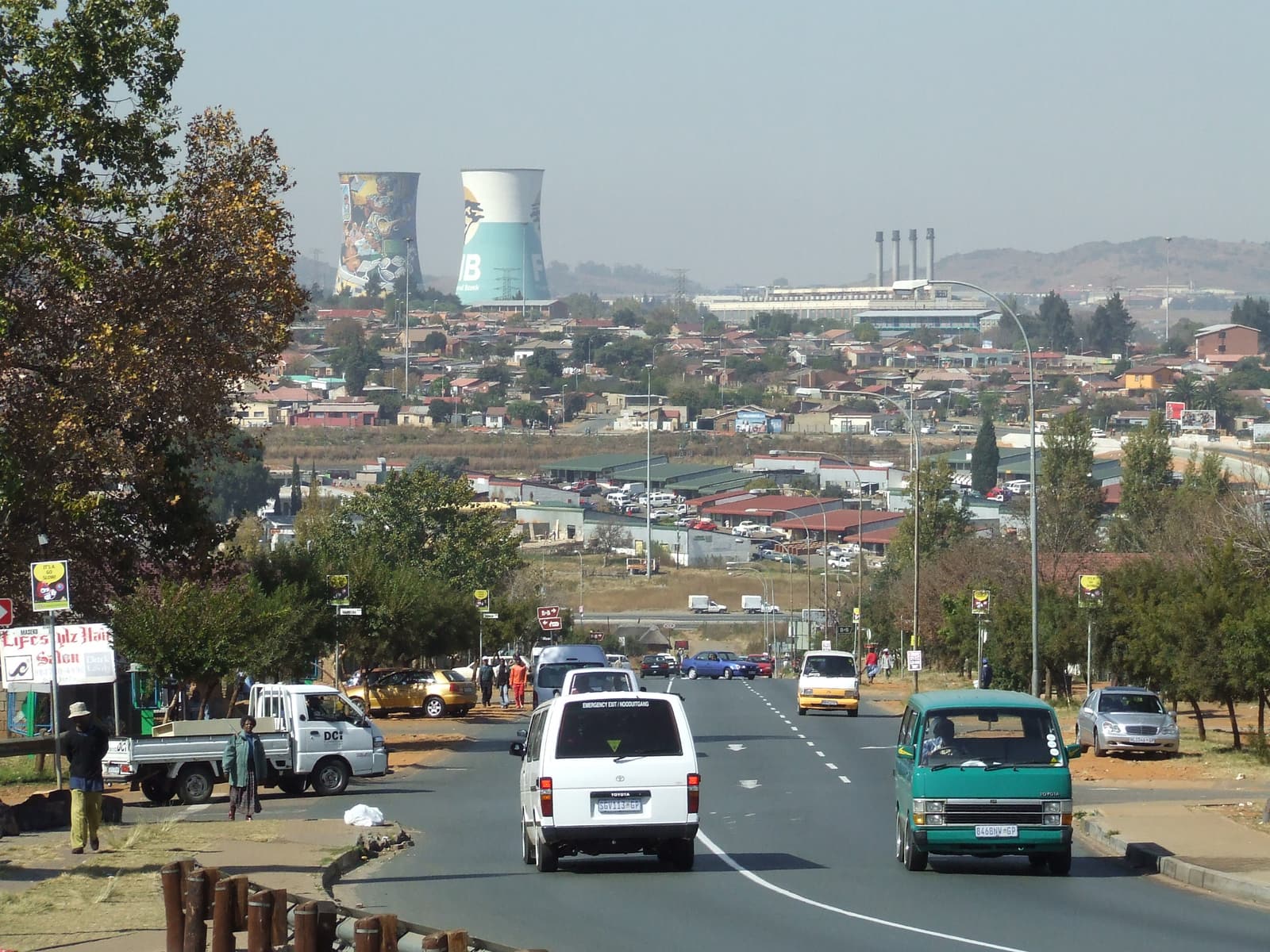
A street in Soweto with the Orlando Towers in the distance Magaliesberg, Hartbeespoort & Johannesburg

Johannesburg & Soweto

The gateway city

Almost every visit to the Cradle starts in Johannesburg, an hour to the south-east. Give the city at least a day of its own: Soweto’s Vilakazi Street, the Apartheid Museum, Constitution Hill and the Origins Centre at Wits University, which tells the next chapter of the story begun in the caves.

How the places fit together

Sterkfontein and Maropeng are ten minutes apart in the south-west of the Cradle. The Rhino & Lion Nature Reserve and Wonder Cave are in the middle, at Kromdraai. The Lion & Safari Park and Lesedi sit on the R512 on the north-eastern edge, on the way to Hartbeespoort Dam, and the Magaliesberg forms the skyline to the north. Johannesburg is an hour to the south-east. See getting there for distances and routes.

Plan your visit

Make the Cradle of Humankind the highlight of your Johannesburg stay

Go underground at Sterkfontein, ride through time at Maropeng and meet lions in the afternoon. Compare half-day tours, full-day combos and balloon flights — and book in a couple of taps.