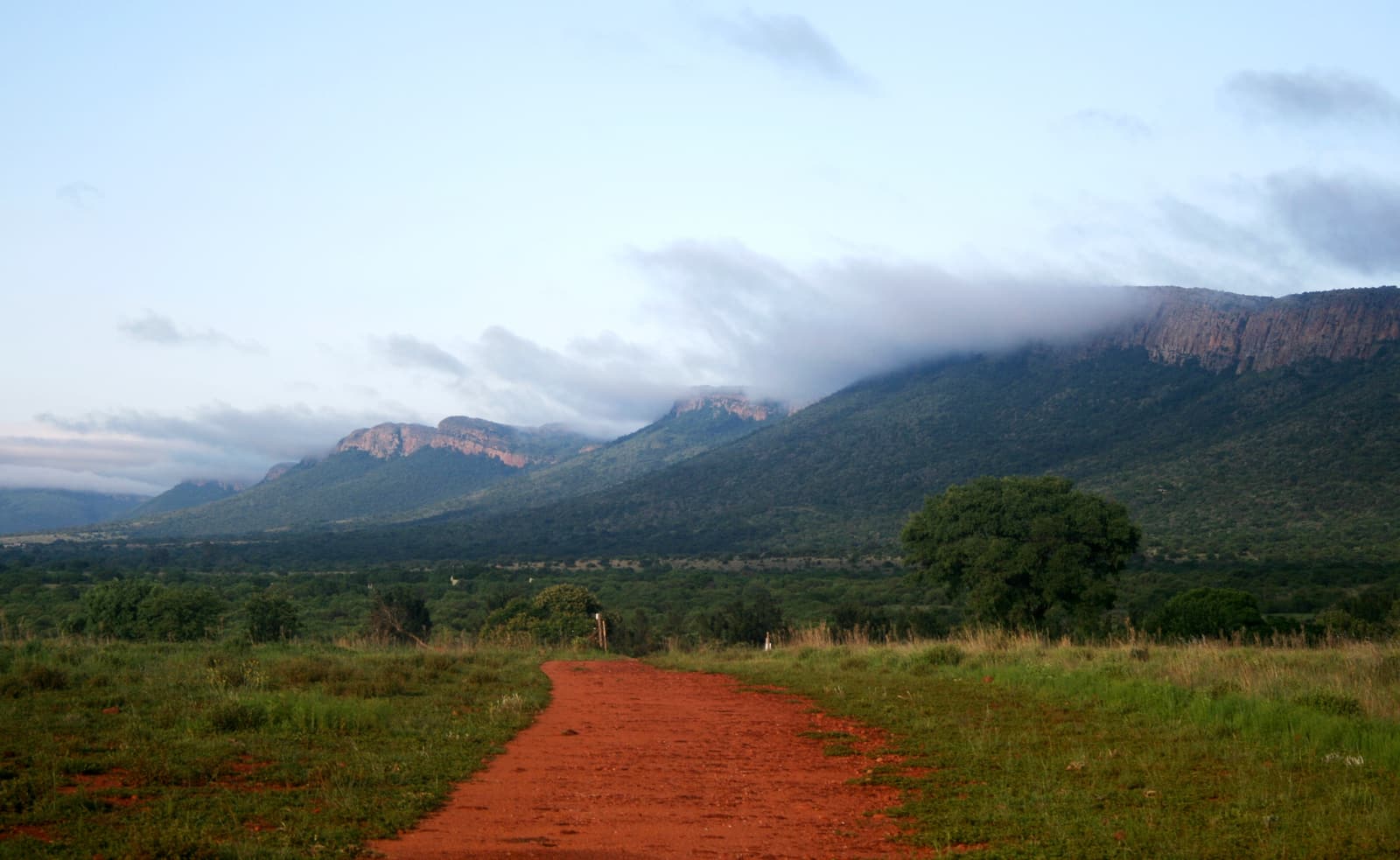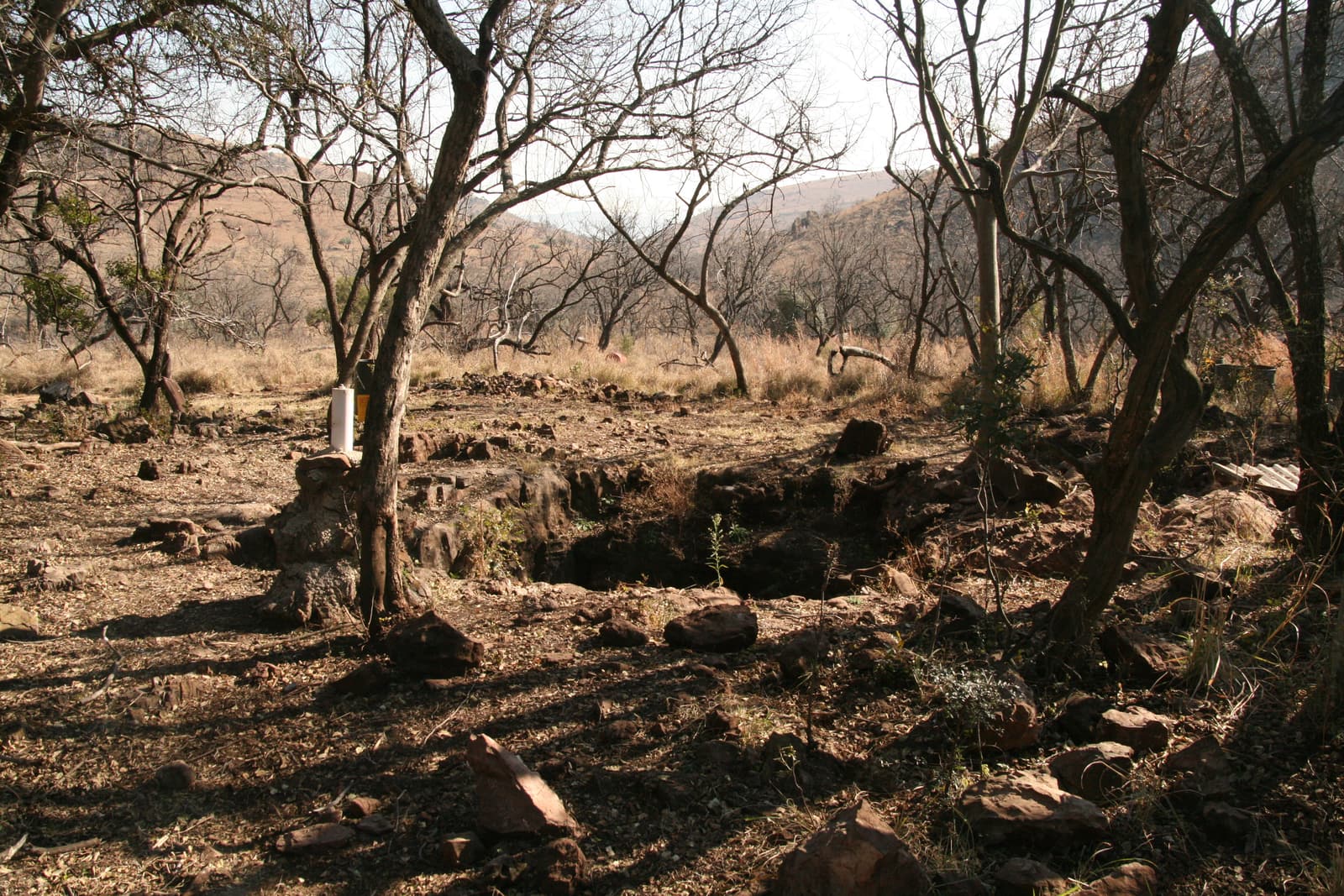
On 13 September 2013 two recreational cavers, Rick Hunter and Steven Tucker, wriggled down a near-vertical crack in the Rising Star cave system, less than a kilometre from Swartkrans, and dropped into a chamber no one had recorded. Their headlamps lit a floor scattered with bones. They showed their photographs to palaeoanthropologist Lee Berger of Wits University, and within weeks one of the most extraordinary excavations in the history of the science was under way.
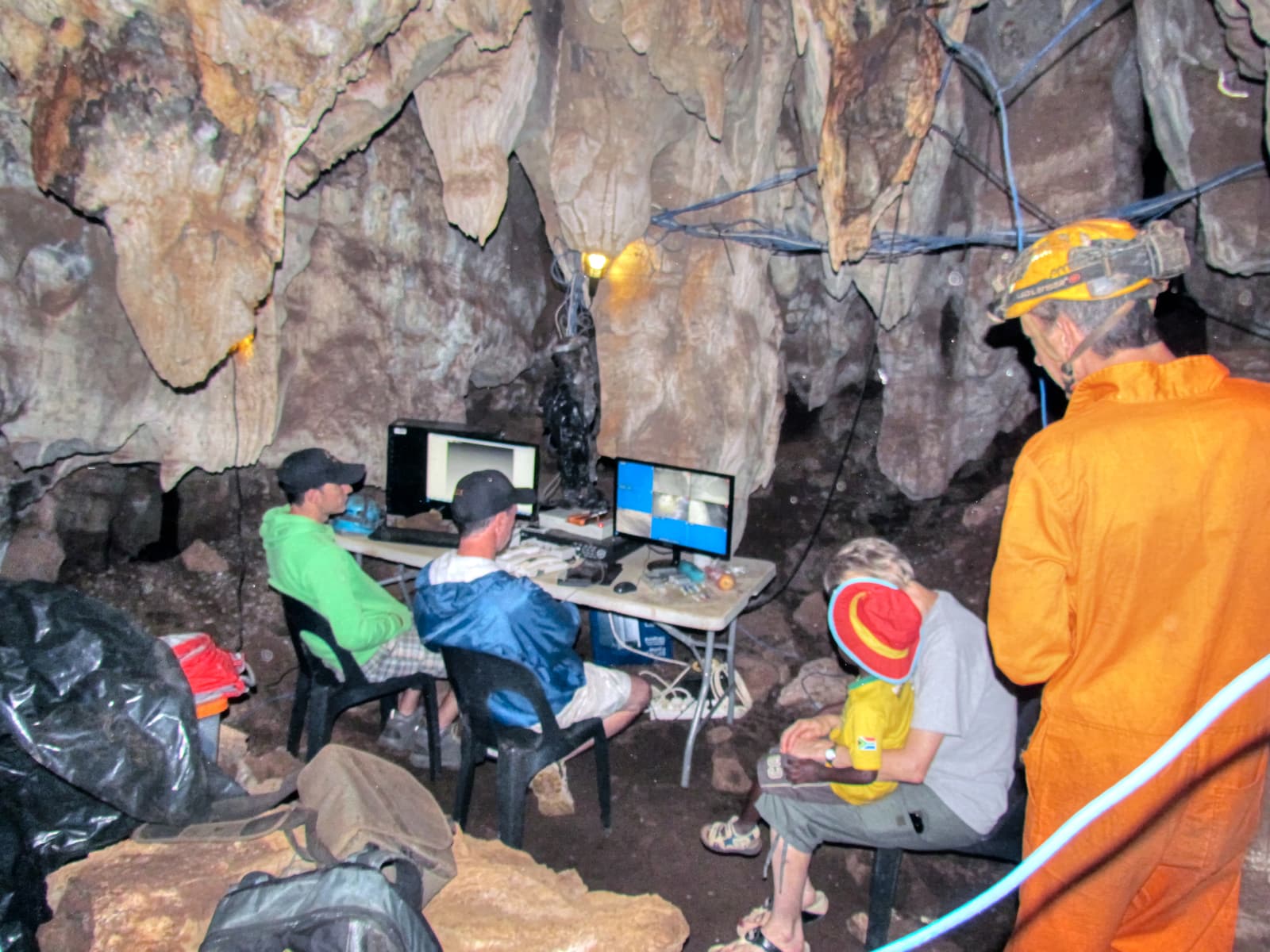
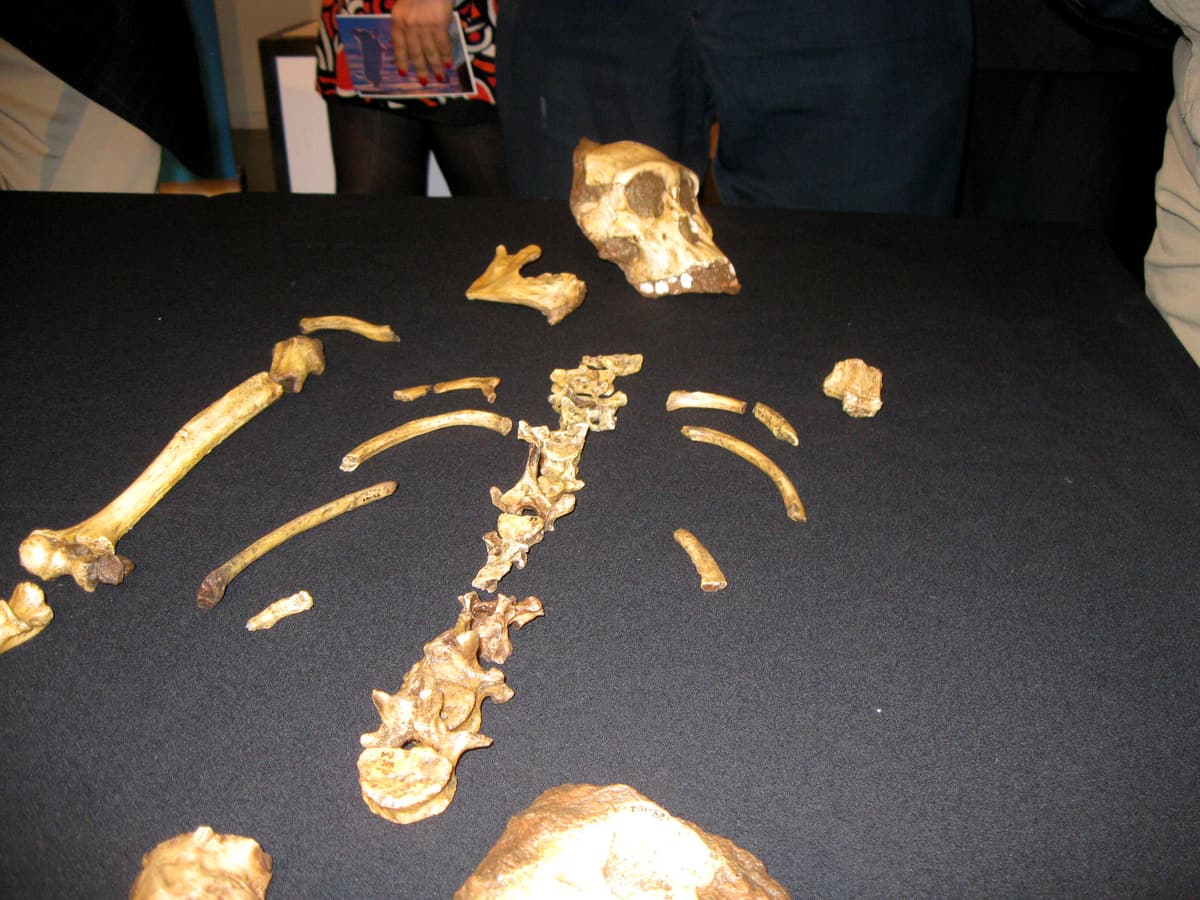
The route into what became known as the Dinaledi Chamber includes a squeeze only about 18 cm wide, so Berger recruited a team of six slim scientists — all women, soon nicknamed the “underground astronauts” — to do the digging while the rest of the team watched by video link from the surface. They recovered more than 1,500 fossil pieces from at least 15 individuals, of all ages.
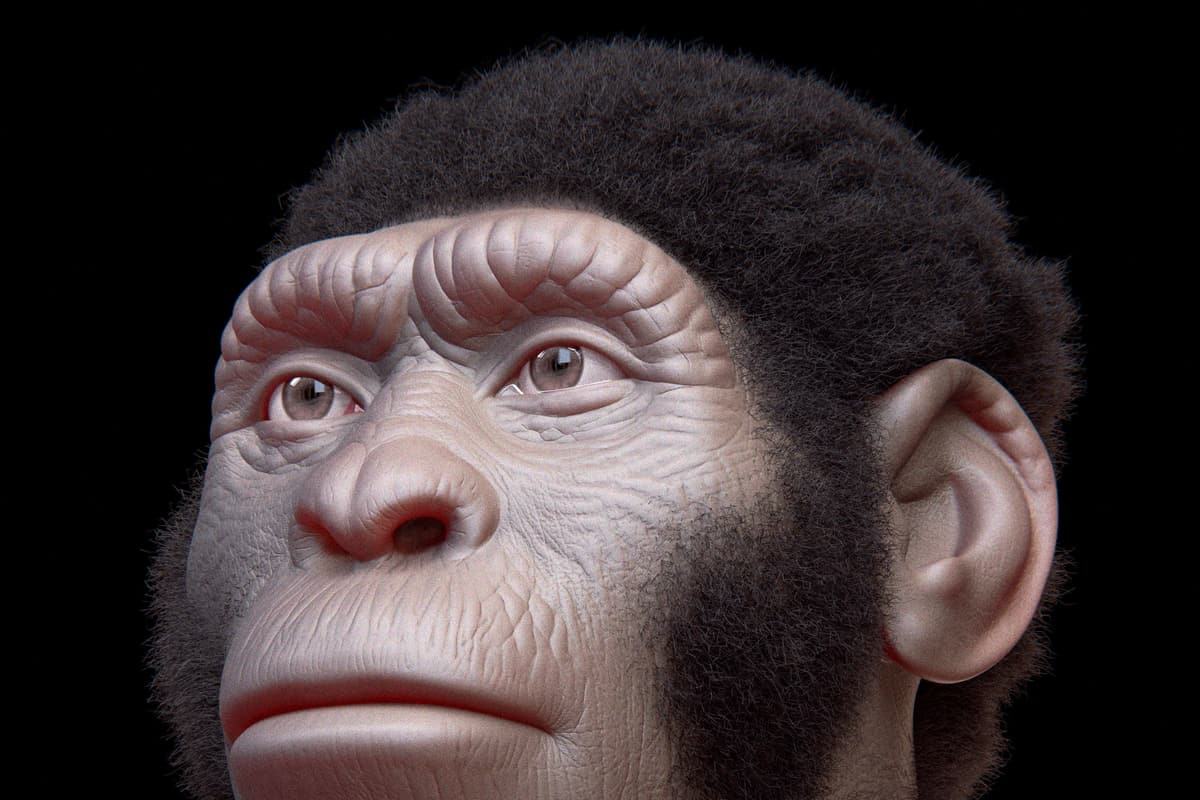
In 2015 the team announced a new species: Homo naledi (“naledi” means “star” in Sesotho). It had a brain about a third the size of ours, shoulders built for climbing, yet hands, wrists and feet surprisingly like our own. Two years later came a second shock: the bones were dated to only about 236,000–335,000 years old, meaning this small-brained relative was alive in southern Africa at around the time early Homo sapiens was emerging.
Top things to do: Rising Star Cave & Homo naledi
Understand why you cannot go in
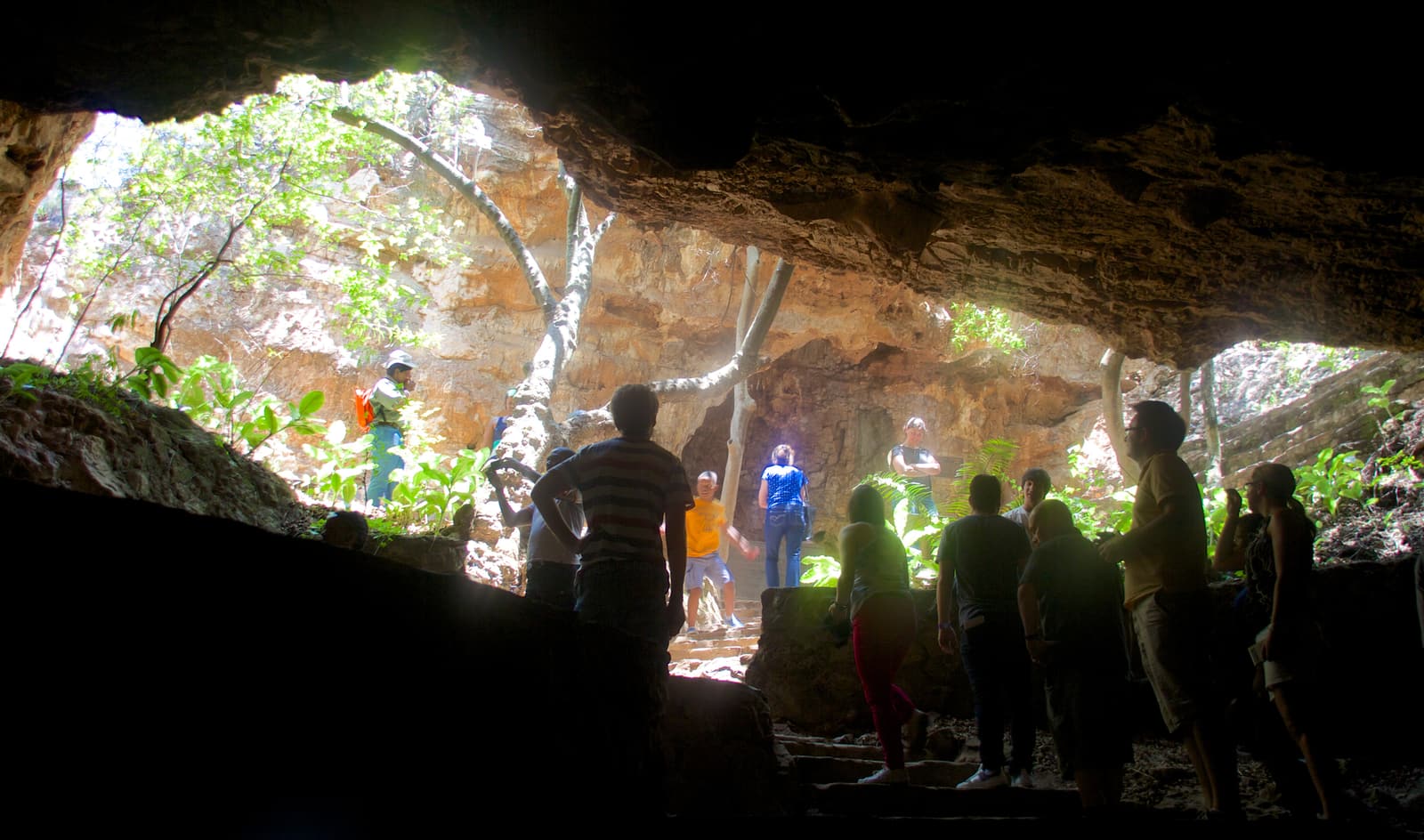
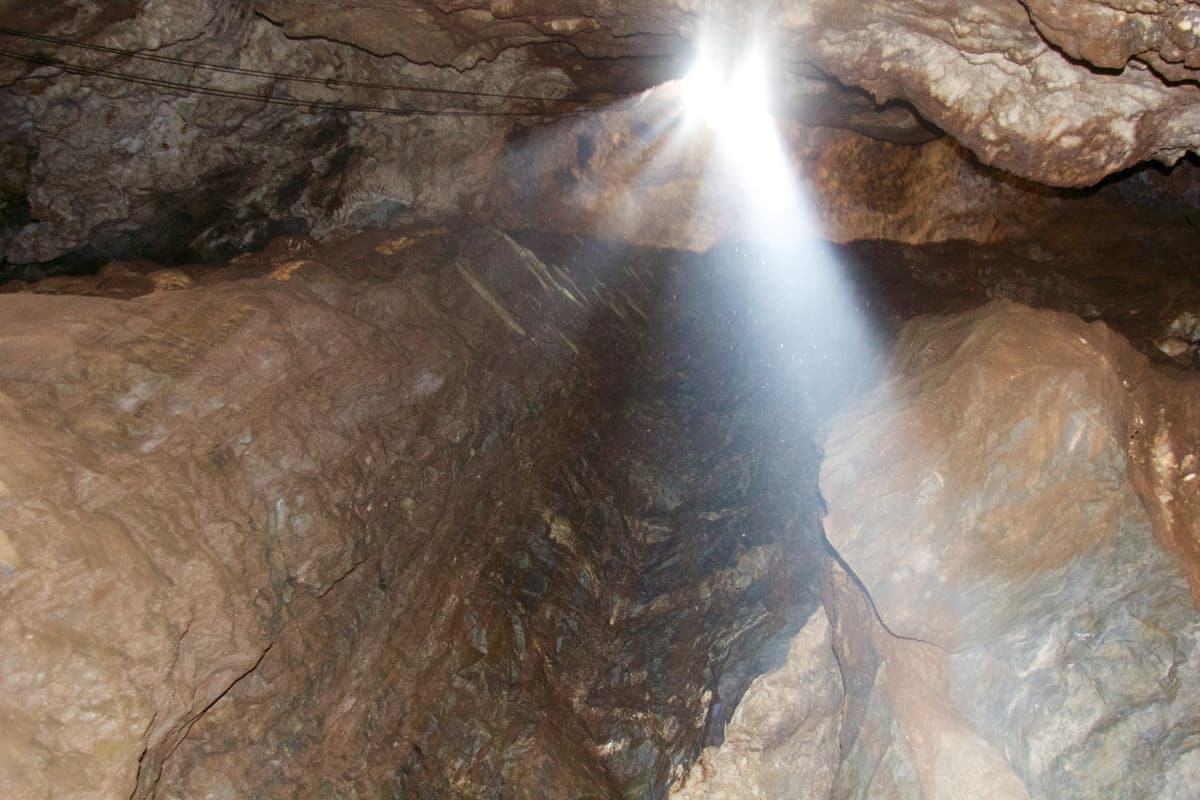
Rising Star is an active research site on private land, and the fossil chambers are reached only by experienced cavers through tight, dangerous passages. There are no public cave tours. Anyone offering you a walk-in “Homo naledi cave tour” is describing something else — usually Sterkfontein or Wonder Cave.
See Homo naledi at Maropeng
The best place to meet Homo naledi is Maropeng, which tells the Rising Star story in its exhibition and has at times displayed original fossils, including the remarkably complete skeleton nicknamed “Neo” from the system’s second chamber, Lesedi. Check what is currently on show.
Visit the fossil vault and Origins Centre in Johannesburg
The fossils themselves are curated at Wits University in Johannesburg. The university’s Origins Centre in Braamfontein is open to the public and is an excellent companion to a Cradle day — see our Johannesburg page.
Follow the debate
In 2023 the Rising Star team proposed that Homo naledi deliberately buried its dead and engraved the cave walls — behaviour previously linked only to large-brained humans. Many specialists are not convinced, and the argument is still running. A good guide will give you both sides; it is one of the liveliest questions in the field today.
How to get to Rising Star Cave & Homo naledi
- The site: Rising Star lies in the Sterkfontein valley near Swartkrans, but it is not signposted for visitors and there is nothing to see from the road.
- The story: head to Maropeng and Sterkfontein, both about an hour from Johannesburg — see getting there.
- With a guide: a specialist-led Cradle tour is the best way to have the discovery explained in context.
Insider tips
- Watch or read about the discovery before you come — the footage of the excavators squeezing through the chute makes the exhibition far more vivid.
- Ask at Maropeng whether any original naledi or sediba fossils are on display during your visit.
- Occasional public lectures and open days are held by the research team; these are announced locally and are not regular.
- Do not confuse Rising Star with the Rising Star-branded lodges and venues elsewhere in the region.
Best tours: Rising Star Cave & Homo naledi
These top-rated experiences are the easiest way to see Rising Star Cave & Homo naledi:
 Guided tour from €113
Johannesburg: Cradle of Humankind Guided Tour with Transfers
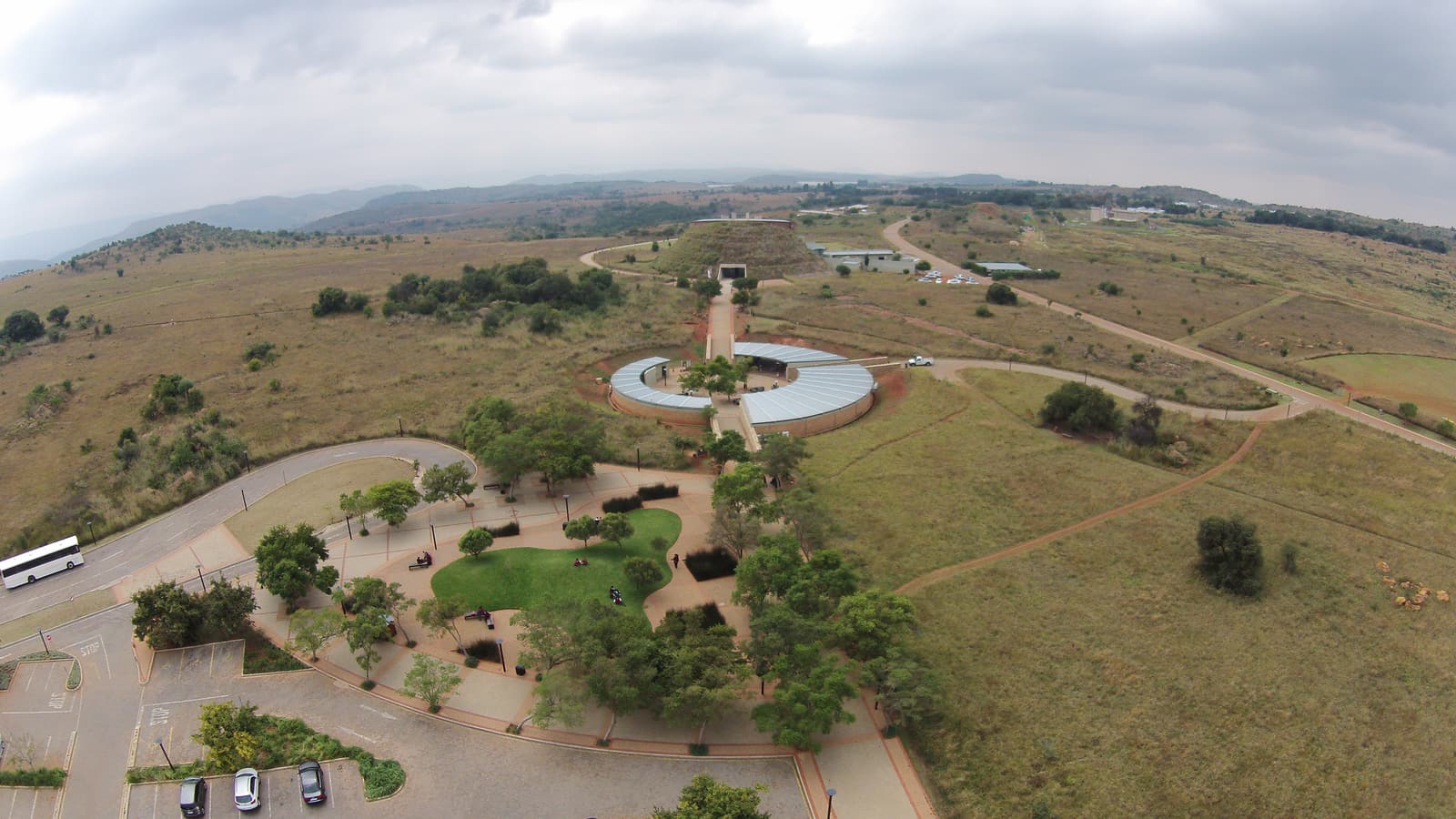
The best-reviewed dedicated Cradle tour on GetYourGuide. A guide collects you in Johannesburg, drives you out to the World Heritage Site and walks you through the story of human origins at Maropeng and, when tours are running, down into the Sterkfontein Caves. Back in the city by early afternoon.
- Hotel pickup and drop-off in Johannesburg
- Maropeng exhibition and underground boat ride
- Sterkfontein Caves when open to visitors
 Guided tour from €104
From Johannesburg: Cradle of Humankind Tour
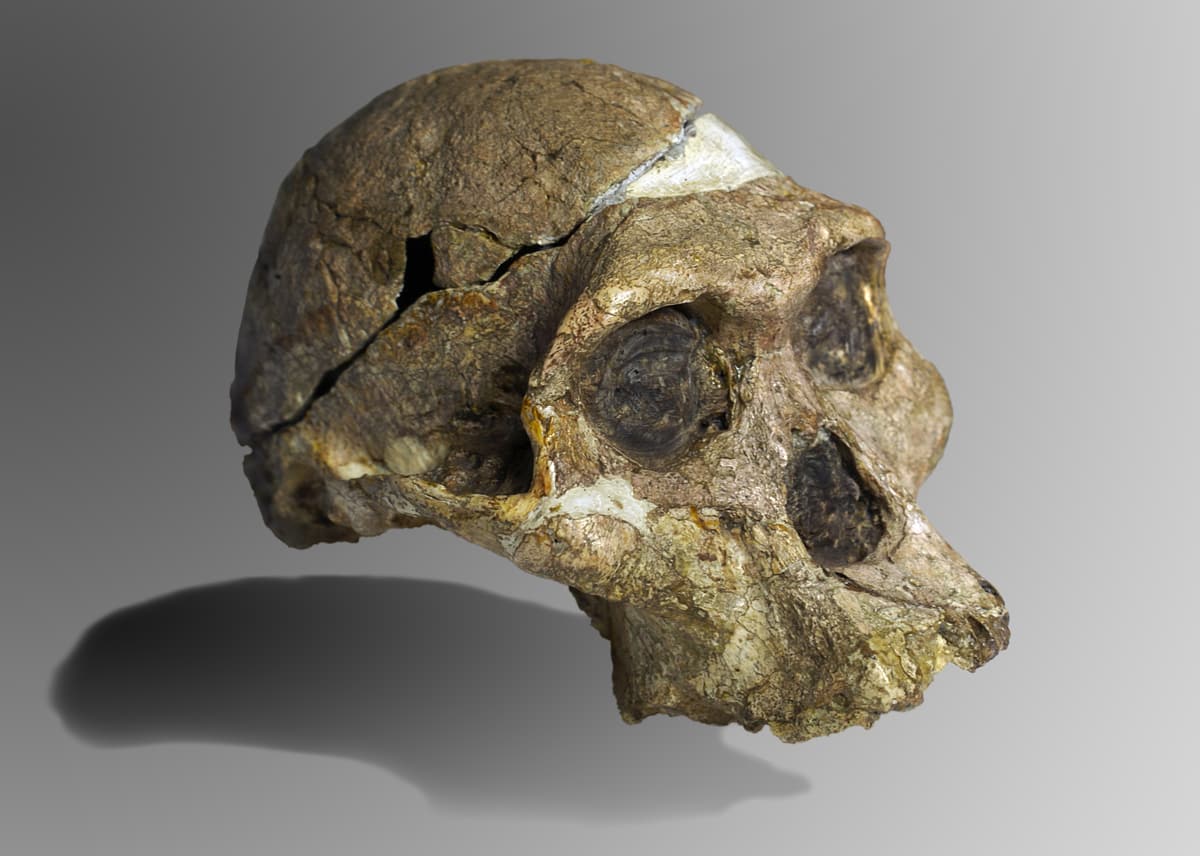
A seven-hour version of the Cradle tour for people who do not want to rush. There is time for the cave tour, the exhibitions at both sites and a lunch stop, with a guide to explain how Mrs Ples, Little Foot and Homo naledi fit into the human family tree.
- A longer, unhurried day at the fossil sites
- Sterkfontein Caves and Maropeng
- Hotel pickup included
 Private tour from €122
From Johannesburg: Cradle of Humankind Private Half-Day Tour
The same route as the group tours, but with a vehicle and guide to yourselves. Worth the small premium for families with children, travellers who want to pace the cave stairs, or anyone who wants to linger at Maropeng.
- Private vehicle and guide
- Go at your own pace
- Flexible pickup time