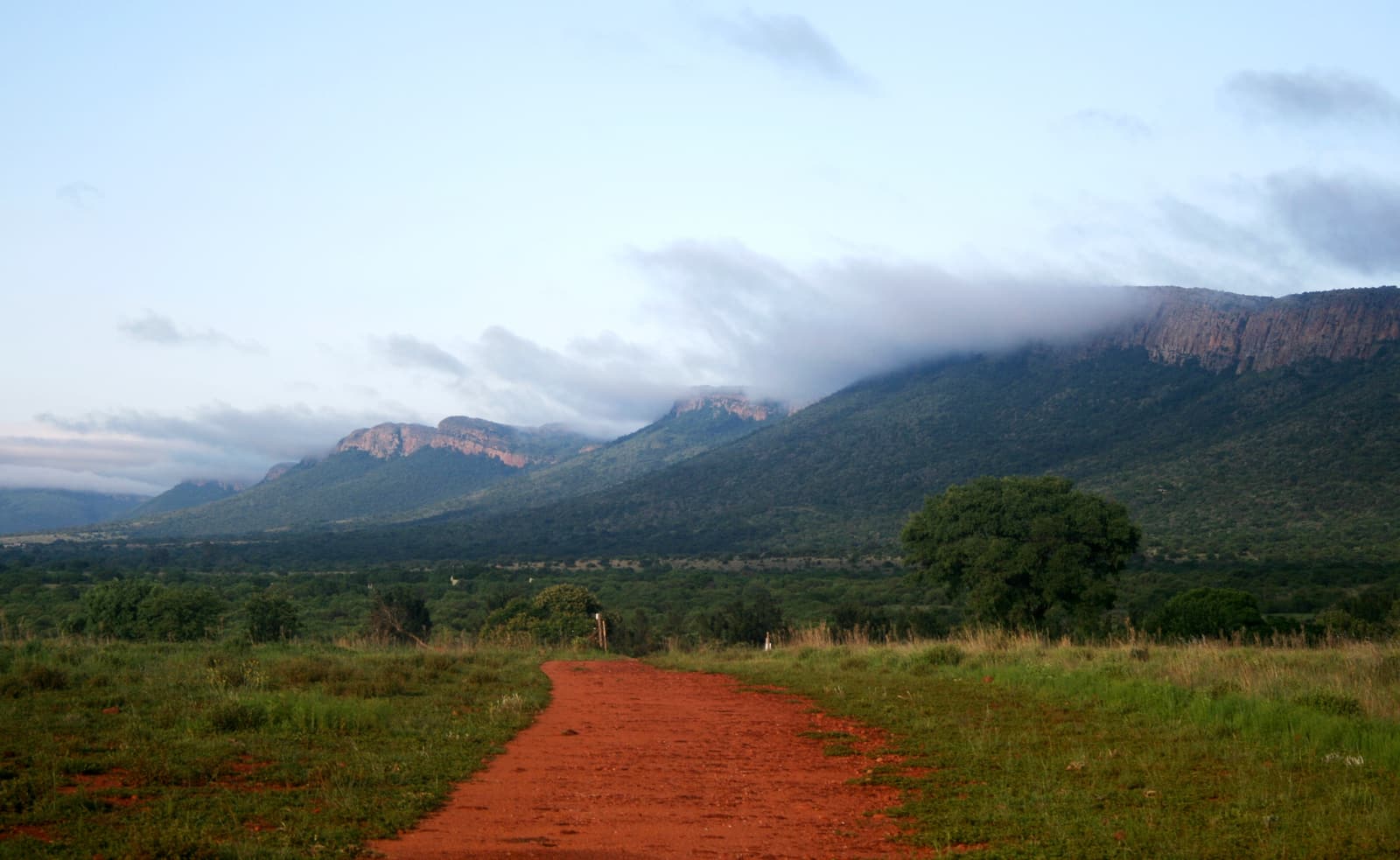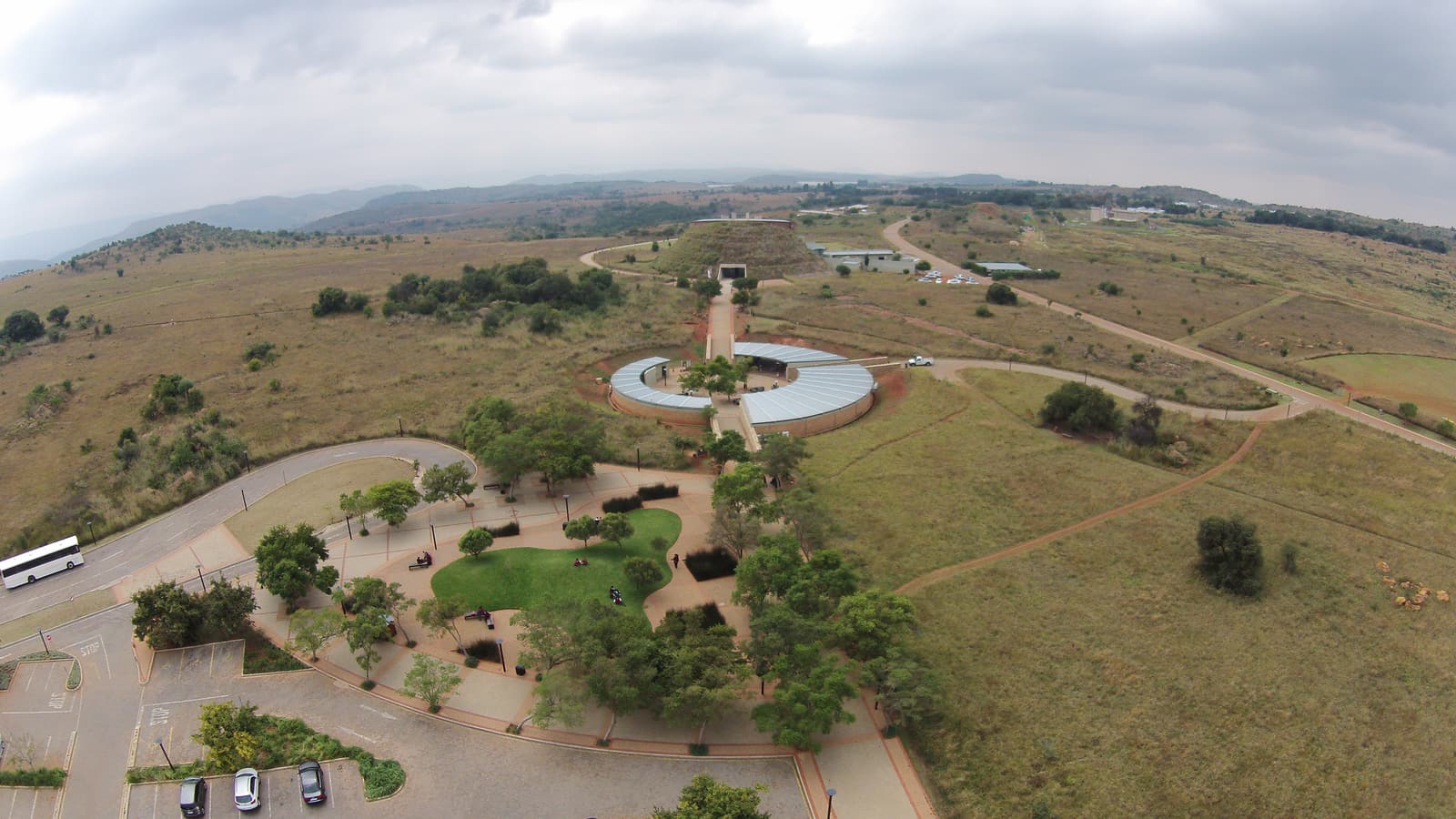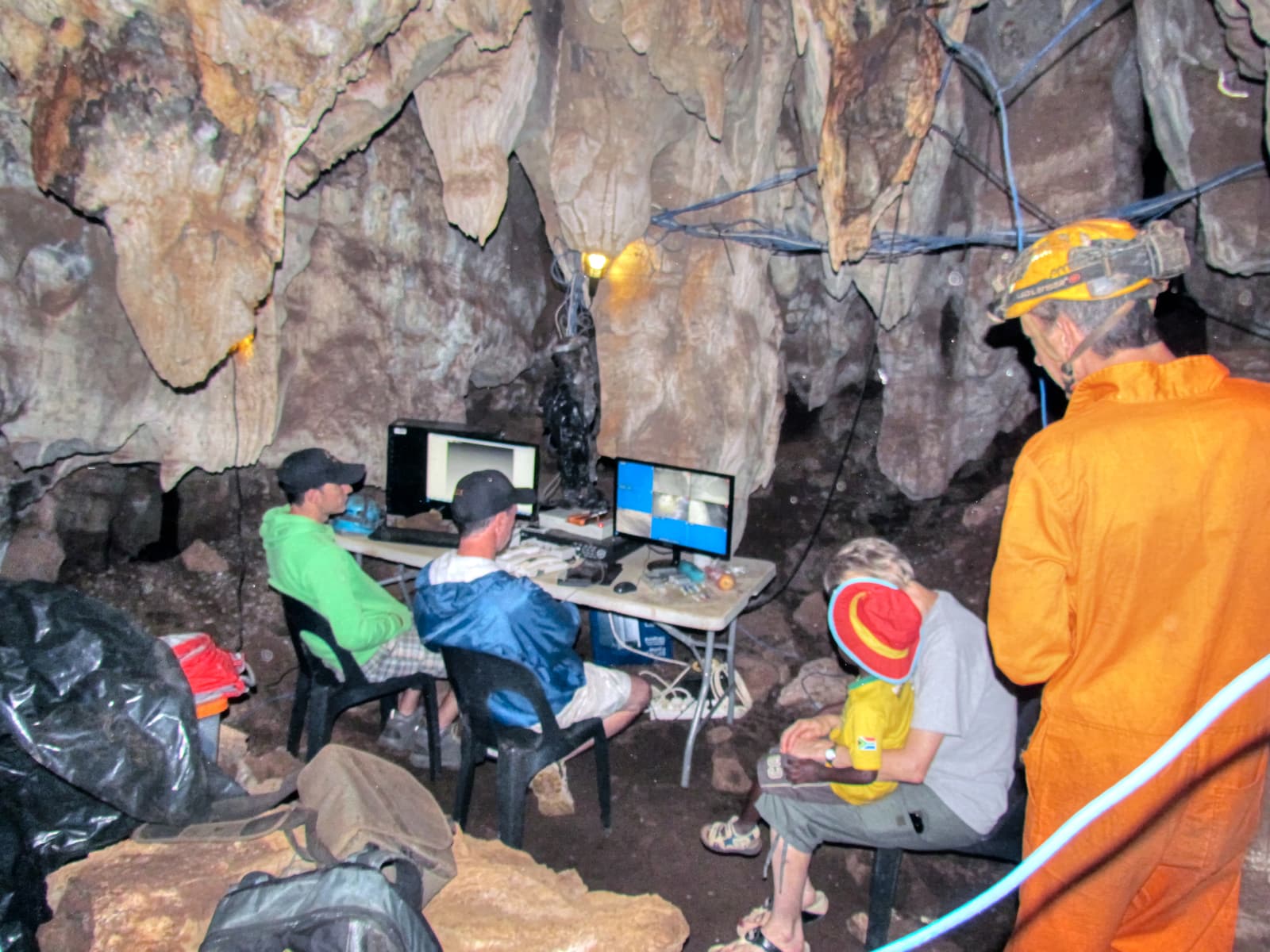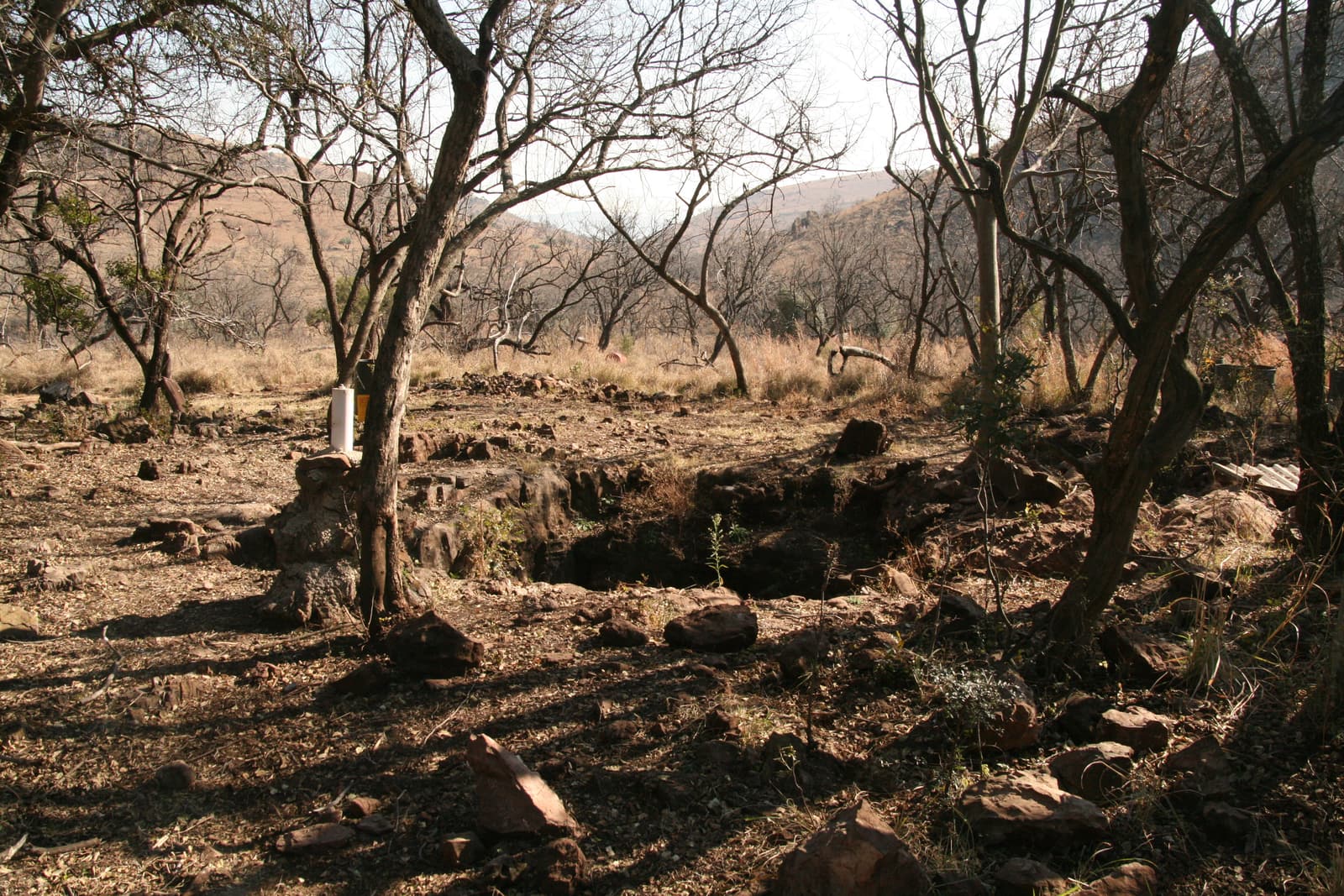
UNESCO inscribed the “Fossil Hominid Sites of Sterkfontein, Swartkrans, Kromdraai and Environs” in 1999. The name is a clue: Sterkfontein is only one of more than a dozen excavated sites scattered over some 47,000 hectares of dolomite hills, and several of the others are just as important to science. In 2005 the listing was extended to include Makapan Valley in Limpopo and the Taung Skull site in North West Province, and it is now officially called the Fossil Hominid Sites of South Africa.
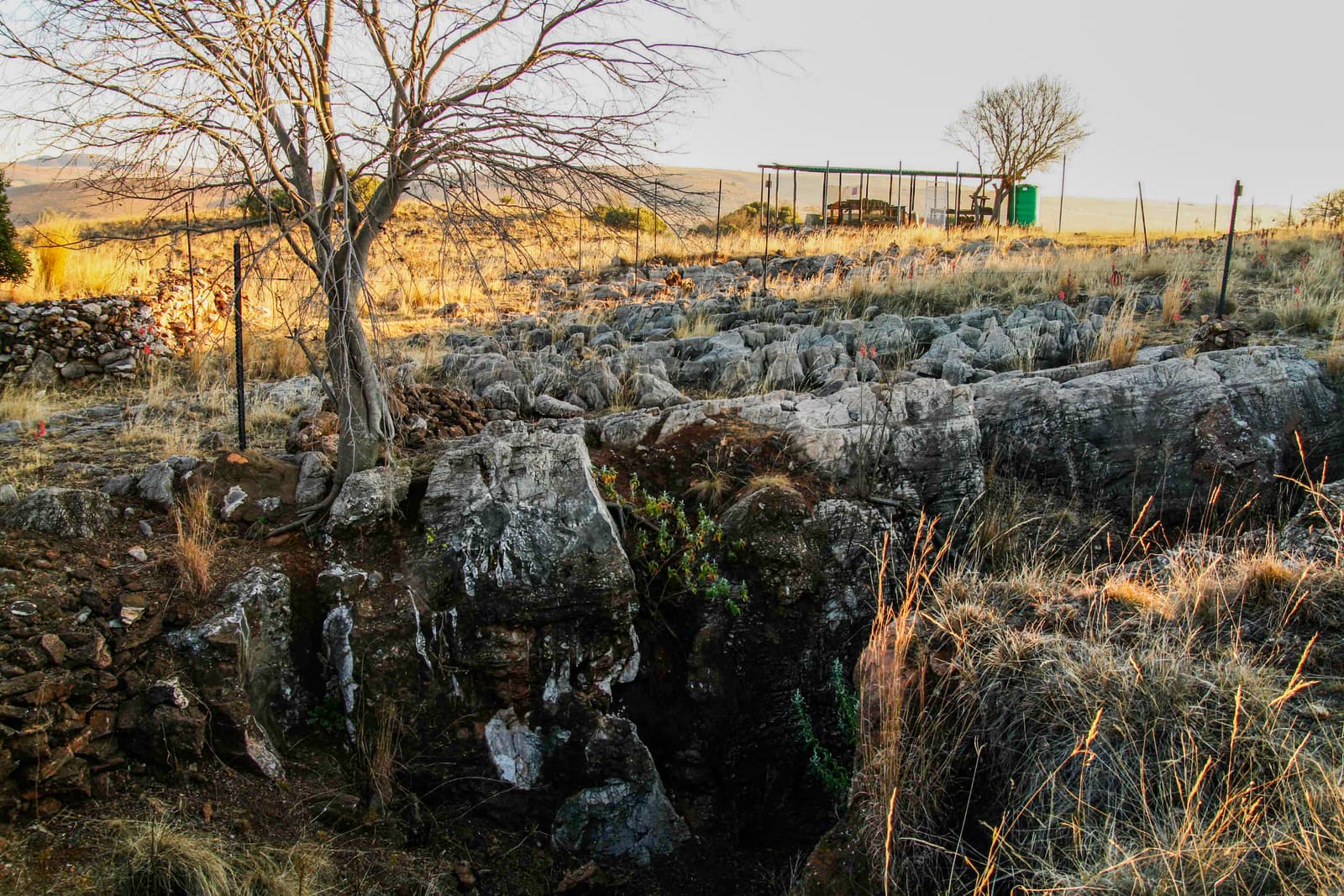
Why here? The dolomite is riddled with caves. Over millions of years, bones — some washed in, some dropped by leopards and hyenas, some belonging to creatures that simply fell — collected on the cave floors and were cemented into rock-hard breccia by lime-rich water. The same lime attracted miners a century ago, and their blasting exposed the fossils.
Be realistic about access: apart from Sterkfontein and Wonder Cave, almost all of these sites are on private land and are not open for casual visits. You experience them through the exhibitions at Maropeng and Sterkfontein, or on occasional specialist tours.
Top things to do: Swartkrans, Kromdraai & Malapa
Swartkrans: robust cousins and the first fires
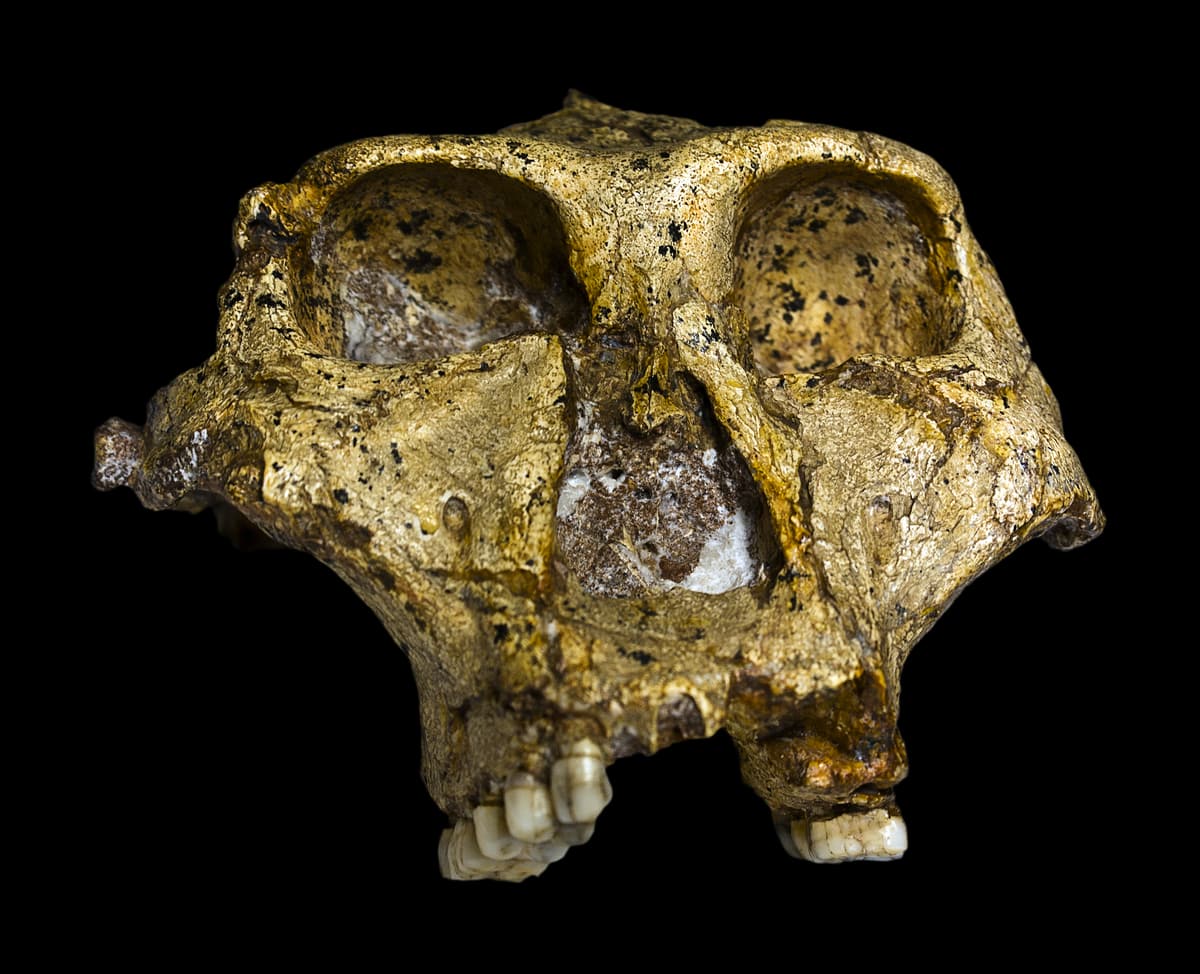
Across the valley from Sterkfontein, Swartkrans has produced the largest sample of Paranthropus robustus — a heavy-jawed, big-toothed side branch of the human family — alongside early members of our own genus, Homo. Burnt bones found here by C. K. “Bob” Brain, more than a million years old, are among the earliest evidence anywhere for the controlled use of fire.
Kromdraai: where Paranthropus was named
In 1938 a schoolboy, Gert Terblanche, picked up fragments of a skull on the farm Kromdraai. Robert Broom tracked him down — the boy reportedly had teeth from the skull in his pocket — and named a new kind of hominin, Paranthropus robustus. Excavations at Kromdraai have resumed in recent years.
Malapa: Australopithecus sediba
In August 2008 nine-year-old Matthew Berger, exploring with his father Lee Berger, turned over a rock and found a collarbone. It led to two remarkably complete skeletons, close to two million years old, of a new species: Australopithecus sediba, with a mosaic of ape-like and human-like features. Malapa lies in a private nature reserve; casts and, at times, originals are shown at Maropeng.
Drimolen, Gladysvale, Cooper’s and the rest
Drimolen made headlines in 2020 with a roughly two-million-year-old skullcap attributed to Homo erectus, one of the oldest known. Gladysvale, Cooper’s Cave, Bolt’s Farm, Plover’s Lake, Gondolin, Haasgat and Motsetse have added thousands more fossils of hominins and of the sabre-toothed cats, giant hyenas and extinct baboons that lived alongside them.
How to get to Swartkrans, Kromdraai & Malapa
- Open sites: Sterkfontein Caves and Wonder Cave are the only caves with regular public tours.
- Specialist visits: a few sites are sometimes opened by arrangement to small groups led by researchers or accredited guides. These are irregular; ask a specialist operator well ahead.
- Everyone else: the fossils and their stories are presented at Maropeng, an hour from Johannesburg.
Insider tips
- Never enter fenced fossil sites or mine workings on your own — it is illegal, damaging and dangerous.
- Removing fossils, bones or stone tools from anywhere in the World Heritage Site is a criminal offence under South African heritage law.
- If the science is your main interest, book a private guide with a palaeontology background rather than a general sightseeing tour.
- The Ditsong National Museum of Natural History in Pretoria holds the original Mrs Ples and many Swartkrans and Kromdraai fossils in its collection.
Best tours: Swartkrans, Kromdraai & Malapa
These top-rated experiences are the easiest way to see Swartkrans, Kromdraai & Malapa:
 Small-group tour from €97
Pretoria/Sandton: Cradle of Humankind & Sterkfontein Caves
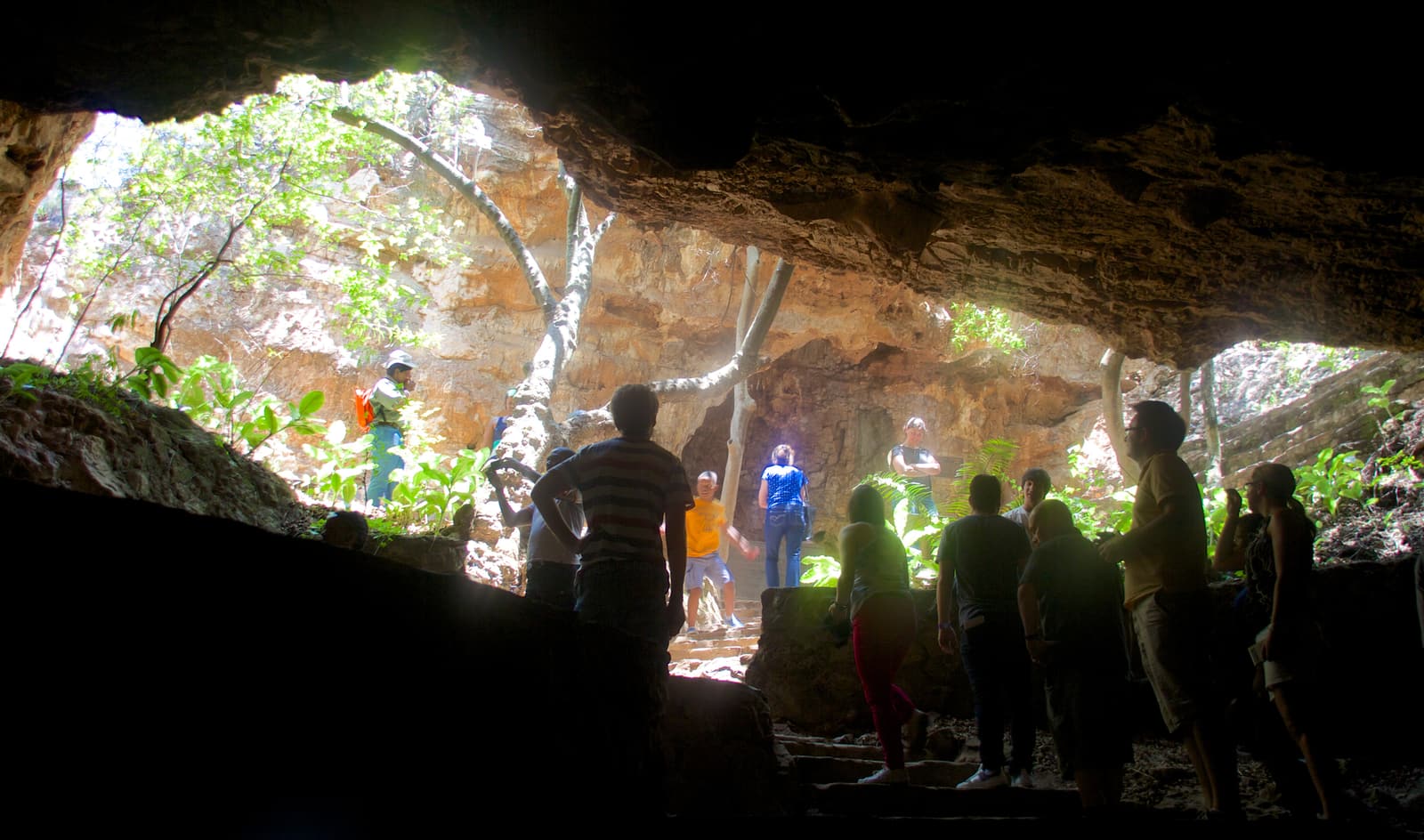
A flexible small-group tour that picks up in both Sandton and Pretoria — handy because few Cradle tours start from the capital. You visit the UNESCO-listed fossil sites with a guide who explains what was found where, with time for the cave tour and the visitor centre depending on the option chosen.
- Pickup from Sandton, Johannesburg or Pretoria
- Small group with a local guide
- Half-day or longer options
 Full-day tour from €104
From Johannesburg: Rhino & Lion Safari and Wonder Cave Tour
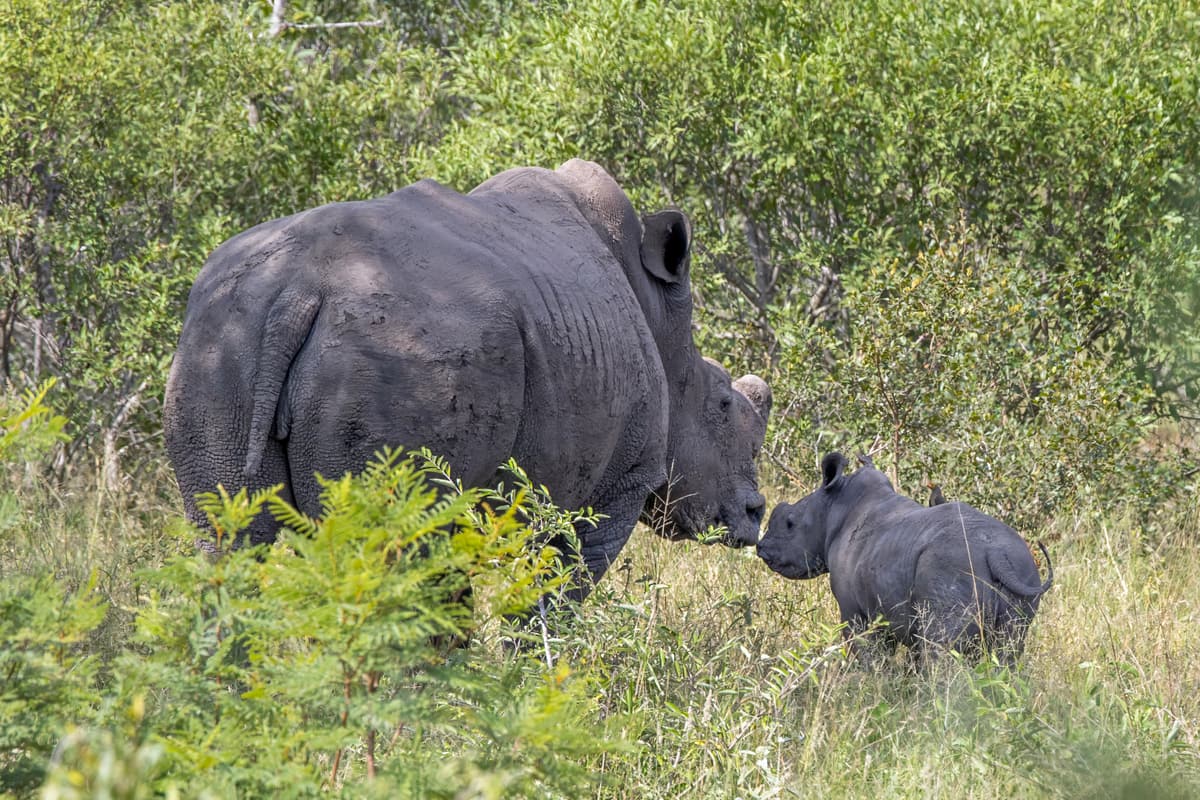
A full day inside the Cradle’s own private game reserve at Kromdraai. You drive among white rhino, buffalo and antelope, visit the predator camps and then go underground into Wonder Cave, a vast dripstone chamber with some of the best formations in Gauteng.
- Game drive in the Rhino & Lion Nature Reserve
- Descent into the huge single chamber of Wonder Cave
- Rhino, buffalo, lion, cheetah and antelope
 Private tour from €122
From Johannesburg: Cradle of Humankind Private Half-Day Tour
The same route as the group tours, but with a vehicle and guide to yourselves. Worth the small premium for families with children, travellers who want to pace the cave stairs, or anyone who wants to linger at Maropeng.
- Private vehicle and guide
- Go at your own pace
- Flexible pickup time